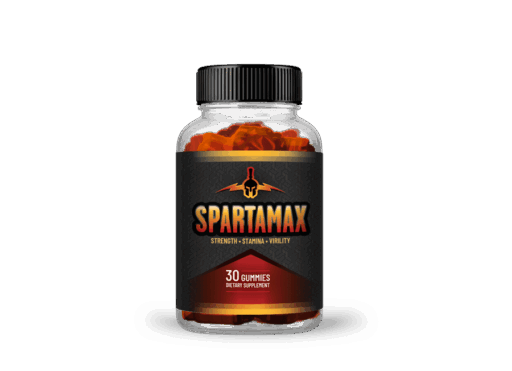
Check Current Price & Buy Spartamax Gummies – Official Website
How Do I Get Rock Hard Again? Your Complete Guide to Restoring Erectile Function
Something shifted, and you can’t quite pinpoint when. Getting hard used to happen without a second thought — a near-automatic response to the right person, the right moment, the right mood — and now your body seems to be running on a different script.
If that’s what brought you to this page, here’s the first thing worth knowing: you are nowhere near alone in this, and there’s a genuine amount you can do about it, starting today.
Erectile dysfunction, or ED, is projected to affect somewhere around 322 million men worldwide, and here in the United States, roughly one in four adult men report experiencing it to some degree.
That number climbs with age, but it doesn’t start at 40 or 50 the way a lot of guys assume —
one urology practice has reported more than a thirtyfold increase in young patients between ages 14 and 21 seeking care for erectile concerns over the past decade, and current estimates suggest close to one in four men under 40 deal with some degree of ED today.
Erectile dysfunction is not a life sentence, and for the overwhelming majority of men, it’s not really a “you” problem so much as a signal that something specific — physical, emotional, or usually some blend of both — needs attention.
This guide walks through why erections become less reliable, what the research actually says about getting them back, and when it’s worth picking up the phone and calling a doctor instead of just riding it out.
None of this replaces a real conversation with a healthcare provider, but it should give you a genuinely useful map before you have that conversation.
Important notice: This content is for informational purposes and is based on an analysis of scientific studies and public information regarding the ingredients. It is not a substitute for medical advice. Results vary from person to person.
If you have pre-existing health conditions or are taking medication, consult your doctor before starting any supplementation.
The FDA’s own Health Fraud Product Database shows that sexual enhancement products are consistently the single largest category of dietary supplements found to be secretly spiked with hidden pharmaceutical ingredients.
As recently as late 2025 and into 2026, the FDA issued public warnings about specific products, including some marketed as entirely “natural,” that laboratory testing found actually contained undeclared sildenafil or tadalafil,
the exact same active ingredients found in prescription Viagra and Cialis, at unknown and unregulated doses.
Why Erections Aren’t as Reliable as They Used to Be
Before diving into fixes, it helps to understand what’s actually supposed to happen down there, because once you see how many systems have to cooperate perfectly, the whole thing stops feeling so mysterious.
An erection isn’t a single switch flipping on — it’s closer to a small, coordinated performance involving your brain, your nerves, your hormones, and your blood vessels, all hitting their marks within seconds of each other.
When even one part of that chain is a little off, whether from stress, poor sleep, a health condition, or just having one too many drinks, the whole performance can stall.
Understanding where things typically break down is the first real step toward fixing them, rather than just hoping the problem quietly disappears on its own.
The Basic Mechanics of an Erection
Picture your penis as having a built-in hydraulic system, because that’s essentially what it is. When you become aroused, whether through touch, thought, or sight, your brain sends a signal down through your nervous system that triggers the release of nitric oxide in the penile tissue.
That nitric oxide relaxes the smooth muscle inside two spongy chambers called the corpora cavernosa, which allows blood to rush in far faster than it can drain out. The result is that blood essentially gets trapped, and the tissue firms up and expands, giving you an erection.
Your emotional state plays a genuinely major role in this process, according to Cleveland Clinic —
feeling relaxed, confident, and aroused isn’t just a nice bonus, it’s a functional requirement, because anxiety and stress trigger the release of adrenaline, which does the exact opposite of nitric oxide by constricting blood vessels instead of relaxing them.
That’s why a single stressful thought in the middle of an intimate moment can deflate things almost instantly — you’re not imagining it, and you’re definitely not broken; you’re watching two competing chemical signals fight for control of the same blood vessels.
When Occasional Trouble Becomes a Pattern
Here’s something almost nobody tells you outright: having an off night is completely normal and doesn’t mean anything is wrong with you.
Cleveland Clinic is refreshingly direct about this, pointing out that it’s entirely normal to have erection trouble occasionally if you’re feeling nervous, anxious, frustrated, exhausted, or if you’ve been drinking.
Nearly every man alive has had at least one moment where his body didn’t cooperate the way he wanted it to, and treating that single instance as a crisis usually does more harm than the original hiccup ever could,
because now you’ve added a layer of anxiety on top of whatever caused the issue in the first place.
The distinction that actually matters is frequency and duration: is this something happening most of the time over weeks or months, or was it a one-off after a long day, a few too many beers, or a genuinely stressful week at work?
If you’re noticing a consistent pattern, say, struggling to get or keep an erection in more than half of your attempts over a period of a few months, that’s the signal it’s worth digging into causes rather than chalking it up to a bad night.
Persistent, repeated difficulty is what clinicians actually mean when they use the term erectile dysfunction, and recognizing that difference can take a lot of unnecessary pressure off your shoulders.
The Real Causes Behind a Weaker Erection
Now for the part most guys actually want answered: why is this happening? The honest answer is that erectile dysfunction rarely has one single cause. It’s usually a mix of physical wear and tear, emotional static, and everyday habits that quietly stack up against you.
Doctors typically sort the causes into two broad buckets: organic causes, which involve something physical like blood flow or nerve function, and psychogenic causes, which live in your head and your emotional state.
In reality, these two categories overlap constantly, since a physical issue can trigger anxiety, and anxiety can then make a physical issue worse, creating a loop that feeds itself.
Walking through the most common culprits one at a time makes the picture a lot less overwhelming and a lot more actionable.
Physical and Medical Causes
Physical causes of ED almost always come back to one core issue: blood flow. An erection is fundamentally a plumbing event, and anything that narrows, damages, or restricts the blood vessels feeding the penis is going to show up as a weaker or less reliable erection.
This is exactly why erectile dysfunction functions almost like a built-in early warning system for the rest of your cardiovascular health —
the blood vessels supplying the penis are notably smaller in diameter than the arteries feeding your heart, so when plaque or vascular damage starts accumulating throughout your body, the penile arteries often feel the squeeze years before your coronary arteries do.
Researchers describe this as the same underlying process, endothelial dysfunction and atherosclerosis, showing up in a smaller pipe first, which is one reason urologists increasingly view ED as a legitimate medical checkpoint rather than just a private inconvenience.
Medications can play a role too, with certain blood pressure drugs, antidepressants, and other prescriptions carrying erectile side effects as a known trade-off.
The three physical categories worth understanding in more depth are heart and vascular health, hormone levels, and metabolic conditions like diabetes, so let’s break each one down.
Heart and Blood Vessel Health
If there’s one relationship worth remembering from this entire article, it’s this one: erectile dysfunction and heart disease are close cousins, sharing nearly identical risk factors, including high blood pressure, high cholesterol, diabetes, and smoking.
Mayo Clinic explains that any lifestyle change improving heart health tends to improve penis health right along with it, since the two systems run on the same plumbing.
Dr. Landon Trost, who heads andrology and male infertility at Mayo Clinic in Rochester, has pointed out that evaluating erectile dysfunction is important not only for sexual health but for long-term health overall,
since it can be an early warning sign of other problems building quietly in the background. Research backs this up in a fairly striking way:
men with ED carry roughly double the risk of heart attack and stroke compared with men who don’t have erectile issues, and some studies have found that middle-aged men with new ED are significantly more likely to have undiagnosed diabetes than men without it.
None of this is meant to alarm you; it’s meant to reframe the situation. A weaker erection isn’t just an inconvenience to fix and forget about.
For a meaningful number of men, it’s your circulatory system waving a small flag before a bigger problem develops, and that flag is genuinely worth paying attention to.
Low Testosterone and Hormonal Shifts
Testosterone gets blamed for erectile trouble constantly, and while it’s part of the story, it’s a much smaller and messier part than most supplement marketing wants you to believe.
Research suggests that roughly one in three men who bring up ED with their doctor also turn out to have low testosterone, but doctors are quick to point out that this overlap isn’t the same as causation.
As Cleveland Clinic urologists have explained, low testosterone and erectile dysfunction are genuinely separate conditions that happen to share some connective tissue —
plenty of men with low T have zero trouble getting an erection, while plenty of men with perfectly normal or even high testosterone still struggle. Where hormones matter more directly is libido, meaning your desire for sex, rather than the mechanical ability to get hard once you’re in the moment.
In one notable study out of Boston University Medical School, researchers gave men with low testosterone either Viagra plus a testosterone gel or Viagra plus a placebo gel, and found no meaningful difference between the groups.
The medication alone was already doing the heavy lifting, according to lead author Dr. Matthew Spitzer, whose findings were published in the Annals of Internal Medicine.
That doesn’t mean testosterone is irrelevant, especially if levels are clinically low and other symptoms like fatigue or low sex drive are present, but it does mean chasing testosterone as your first and only fix is often chasing the wrong lever.
Diabetes, Weight, and Metabolic Factors
Diabetes deserves its own spotlight because it’s one of the single strongest and most consistent risk factors for erectile dysfunction in the entire medical literature.
High blood sugar over time damages both the blood vessels and the nerves responsible for triggering and sustaining an erection, which is a double hit that few other conditions manage to pull off simultaneously.
Carrying excess weight compounds the problem further, since obesity is closely tied to lower testosterone, higher inflammation, and worse blood vessel function all at once, a trifecta that stacks the deck against you in multiple directions simultaneously.
The encouraging flip side is that this pathway runs in reverse too:
research reviewing lifestyle-based interventions has found that improving diet and losing weight genuinely improves endothelial function, reduces insulin resistance, and lowers the kind of low-grade inflammation that interferes with erections in the first place.
Metabolic syndrome, the cluster of high blood pressure, excess belly fat, high blood sugar, and abnormal cholesterol that often travels together, is worth asking your doctor about if you’re dealing with ED and any of those individual pieces sound familiar.
None of this requires a total life overhaul overnight, but it does mean the steps you take for your waistline and blood sugar are doing double duty for your sex life too.
Psychological and Emotional Causes
Your brain is arguably the single most important sex organ you have, and when it’s under siege, everything downstream suffers.
Performance anxiety alone is believed to affect roughly one in four men, making it one of the most common drivers of erectile trouble, especially among younger guys who assume ED is exclusively an older man’s problem.
Dr. Stanton Honig, a urology professor at Yale, has explained that anxiety triggers your body to release adrenaline, which decreases blood flow to the penis in the same way stress constricts blood flow anywhere else in your body, and encouragingly, he’s noted that once the anxiety itself eases up,
the erectile issue often resolves right along with it.
The tricky part is that this tends to become a self-feeding loop: one disappointing experience creates worry about the next one, that worry produces the exact physiological response that causes another disappointing experience, and round and round it goes.
Depression, relationship tension, body image struggles, unresolved stress, and even certain medications used to treat anxiety and depression can all feed into this same cycle from different angles.
There’s a genuinely important silver lining buried in all of this, though: psychologically-driven ED tends to respond remarkably well to treatment, whether that’s therapy, couples counseling, stress reduction, or simply naming the anxiety out loud instead of white-knuckling through it alone.
Lifestyle Habits That Sabotage Performance
Some of the biggest threats to your erection aren’t hiding in a diagnosis. They’re sitting in your daily routine, disguised as completely normal habits.
Smoking is one of the clearest offenders, since it directly damages the blood vessels responsible for the exact blood flow an erection depends on, and Mayo Clinic lists tobacco use as a direct contributor to both cardiovascular disease and ED specifically.
Alcohol works against you in more than one way too: beyond the well-known short-term effect of one too many drinks making it harder to perform in the moment, regular heavy drinking contributes to high blood pressure and high cholesterol over time, compounding the vascular damage from other sources.
Poor sleep, and obstructive sleep apnea in particular, quietly undermines testosterone production overnight, since a large share of your daily testosterone is produced during the deep sleep cycles that sleep apnea repeatedly interrupts.
Recreational drug use, chronic stress, and a sedentary lifestyle round out the list, each one chipping away at the same blood flow and hormone balance that everything else in this article depends on.
None of these habits guarantee erectile dysfunction on their own, but stack two or three of them together over a few years and you’ve built a pretty convincing case against your own body.
How to Get Hard Again: Lifestyle Fixes That Actually Work
Here’s the genuinely good news buried in all of this: the same habits capable of causing erectile trouble are, in reverse, remarkably effective at reversing it. This isn’t wishful thinking or wellness-industry hype.
It’s backed by a growing stack of randomized controlled trials, which is about as solid as evidence gets in medicine.
A 2026 meta-analysis pooling 16 separate randomized trials found that diet- and exercise-based lifestyle changes produced a statistically significant, if modest, improvement in erectile function across wildly different study populations, regardless of age, starting weight,
or how long the intervention lasted. That word “modest” matters, because lifestyle changes aren’t a magic replacement for medical treatment when medical treatment is genuinely needed, but they’re also not the consolation-prize option some men assume them to be.
Several of the changes below have been shown, in controlled research, to produce improvements that rival what you’d see from a prescription, which is a pretty remarkable thing to be able to say about walking more and sleeping better.
The sections that follow break down exactly what the research supports and how to actually put it into practice, without turning your life upside down overnight.
Move Your Body, Move Your Blood Flow
If you only make one change after reading this article, exercise is the one with the strongest research behind it.
A systematic review and meta-analysis published in the Journal of Sexual Medicine, pooling 11 randomized controlled trials, found that aerobic exercise produced a statistically significant improvement in erectile function scores compared with non-exercising control groups.
A separate Harvard-affiliated study found that men who walked for just 30 minutes a day cut their risk of developing ED by roughly 41% compared with sedentary men, which is a remarkably large payoff for a genuinely modest daily habit.
Perhaps most striking of all, one analysis found that exercising 30 to 60 minutes, three to five times a week, produced improvements in erectile function that landed in the same ballpark as what men typically experience on PDE5 inhibitor medications,
with the biggest gains showing up in men who started with the most severe symptoms. Dr. Landon Trost of the Mayo Clinic, commenting on this body of research, noted that exercise deserves a genuine role in ED treatment and can be used either on its own or alongside medication,
even while acknowledging that prescription medication still tends to edge out exercise slightly in head-to-head comparisons. You don’t need to become a marathon runner to see benefits.
Brisk walking, cycling, swimming, and other moderate cardio all show up favorably in the research, and consistency matters far more than intensity.
Eating for Better Erections
What’s on your plate connects to what happens in bed more directly than most guys realize, mostly because your diet either supports or sabotages the exact blood vessels an erection depends on.
The Mediterranean diet, heavy on vegetables, fish, olive oil, nuts, and whole grains, and light on processed food and red meat, shows up repeatedly in research as one of the more consistently helpful eating patterns for erectile function,
largely because it improves how well your blood vessels dilate and reduces the low-grade inflammation that interferes with blood flow over time. Researchers reviewing this connection have pointed out that the mechanism isn’t mysterious or exotic:
better endothelial function, lower insulin resistance, and reduced inflammation all directly support the exact vascular process an erection relies on, which is why a diet built around heart health so reliably doubles as a diet built around sexual health.
You don’t need to overhaul your entire kitchen overnight to see a benefit, either. Swapping in more fish and vegetables, cutting back on processed and fried foods, and moderating red meat are all changes that research associates with measurable improvement over time.
Weight loss compounds these benefits further, since shedding excess fat, especially around the midsection, tends to improve both blood vessel function and testosterone levels simultaneously.
Think of food less as a quick fix and more as a long-term investment in the plumbing you’re trying to improve.
Sleep, Stress, and the Testosterone Connection
Sleep might be the most underrated lever in this entire conversation, and that’s saying something given how much attention exercise and diet get.
Most of your daily testosterone production happens during deep sleep, which means chronically shortchanging yourself on rest is essentially asking your body to manufacture a hormone during hours you’re not giving it to work with.
Obstructive sleep apnea deserves particular attention here, since it repeatedly interrupts those deep sleep cycles throughout the night, and research consistently links it to both lower testosterone and higher rates of erectile dysfunction.
If you snore heavily, wake up gasping, or feel exhausted no matter how many hours you sleep, that’s worth mentioning to a doctor specifically.
Chronic stress works against you through a similar mechanism to performance anxiety, keeping cortisol and adrenaline elevated in ways that constrict blood vessels and suppress the hormonal signals your body needs for a healthy sex drive and a reliable erection.
Building in genuine stress management, whether that’s exercise, meditation, therapy, or simply protecting time to decompress, isn’t a soft or secondary recommendation here. It’s addressing one of the same core mechanisms driving the physical symptoms.
Aim for seven to nine hours of consistent, quality sleep, and treat that target with the same seriousness you’d give a workout plan or a diet change, because physiologically, it’s doing comparable work.
Cutting Back on Alcohol, Smoking, and Recreational Drugs
Quitting smoking is one of the single highest-leverage moves available to you, because tobacco’s damage to blood vessels is well-documented, cumulative, and directly implicated in erectile dysfunction independent of any other risk factor you might have.
The encouraging part is that a meaningful portion of that vascular damage is reversible once you quit, and men who stop smoking often notice improvements in erectile function within a matter of months as circulation gradually recovers. Alcohol requires more nuance:
moderate drinking hasn’t been shown to meaningfully harm erectile function for most men, but heavy or frequent drinking is a different story, both in the moment, since alcohol is a depressant that directly interferes with arousal and blood flow, and over time,
through its contribution to high blood pressure, high cholesterol, and liver strain.
Recreational drug use, including stimulants and other substances that affect the nervous system, can interfere with both the physical mechanics of an erection and the psychological confidence needed to relax into a sexual encounter,
and this is a conversation worth having honestly with a doctor rather than guessing at cause and effect on your own. None of this requires perfection or total abstinence to see benefits.
Cutting back meaningfully, rather than cutting out entirely, still moves the needle for most men in ways that show up within weeks to months.
Medical Treatments Worth Knowing About
Lifestyle changes are a genuinely powerful foundation, but they’re not always enough on their own, and that’s not a personal failing. It’s just how medicine works sometimes.
When physical causes are more entrenched, or when you need results faster than gradual lifestyle change can deliver, a real conversation with a doctor about medical treatment options is entirely reasonable and, frankly,
overdue for a lot of men who’ve been quietly struggling far longer than necessary. The treatment landscape has genuinely expanded in recent years, moving well past the assumption that a single little blue pill is the only option on the table.
Here’s a quick side-by-side look at where the major approaches stand before we go deeper into the two most relevant categories.
| Approach | How It Helps | Best For | Keep in Mind |
|---|---|---|---|
| Lifestyle changes | Improves blood vessel health, hormone balance, and stress response | A foundation for nearly everyone, regardless of other treatment | Builds gradually over weeks to months |
| PDE5 inhibitors (sildenafil, tadalafil, vardenafil, avanafil) | Boosts the natural blood-flow response during arousal | Men with vascular, mixed, or age-related ED | Prescription-only; dangerous when combined with nitrate medications |
| Therapy or counseling | Addresses anxiety, stress, and relationship dynamics | Performance anxiety or psychologically-driven ED | Often most effective paired with medical treatment |
| Devices, injections, or implants | Mechanically or chemically produces an erection | Men who don’t respond well to oral medication | More invasive; typically considered after other options |
| Supplements | Effects vary widely by product and ingredient | Men wanting a complementary, doctor-approved addition | Not FDA-regulated for safety or effectiveness |
Prescription Options (PDE5 Inhibitors and Beyond)
PDE5 inhibitors are the first-line medical treatment for erectile dysfunction, and if you’ve heard of Viagra, Cialis, Levitra, or Stendra, you’ve heard of this drug class under their brand names. Their generic names are sildenafil, tadalafil, vardenafil, and avanafil, respectively.
Here’s the part that surprises a lot of men: these medications don’t create an erection out of thin air the way people sometimes assume.
They work by boosting nitric oxide activity and blocking the enzyme that breaks down a molecule called cGMP, which together relax the blood vessels in the penis and dramatically improve blood flow, but you still need actual arousal and stimulation for any of that machinery to kick in.
Clinical research puts overall effectiveness somewhere between 60% and 80% depending on the population studied, though up to 40% of men don’t get a fully satisfactory response from oral medication alone, which is exactly why doctors have developed a broader toolkit for that group.
Options for men who don’t respond well to standard pills include vacuum erection devices, injectable medications delivered directly into the penis, a nasal spray that works through a completely different hormonal pathway, and even newer approaches like low-intensity shockwave therapy,
which recent research has found can meaningfully improve erectile function scores after a full course of treatment. None of these should be self-prescribed or ordered from an unverified website.
A doctor needs to rule out interactions, particularly with nitrate medications, which can cause a dangerous drop in blood pressure when combined with PDE5 inhibitors.
Where Supplements Fit Into the Picture
Walk down the supplement aisle or scroll through social media for five minutes and you’ll find no shortage of pills, gummies, and powders promising to fix erectile dysfunction naturally.
Some ingredients used in these products, like L-arginine, L-citrulline, and certain herbal extracts, do have some legitimate research behind their role in supporting blood flow and vascular health,
and a well-formulated supplement from a reputable brand can reasonably be part of a broader approach alongside the lifestyle changes covered earlier. Here’s the part worth taking seriously, though:
dietary supplements in the United States don’t go through the same premarket safety and efficacy testing that prescription drugs do,
and the FDA’s own Health Fraud Product Database shows that sexual enhancement products are consistently the single largest category of dietary supplements found to be secretly spiked with hidden pharmaceutical ingredients.
As recently as late 2025 and into 2026, the FDA issued public warnings about specific products, including some marketed as entirely “natural,” that laboratory testing found actually contained undeclared sildenafil or tadalafil,
the exact same active ingredients found in prescription Viagra and Cialis, at unknown and unregulated doses.
That matters because those hidden ingredients can interact dangerously with nitrate medications commonly prescribed for heart conditions, high blood pressure, or diabetes, and because you have no real way of knowing the actual dose you’re taking when it isn’t listed on the label.
The safest approach is treating supplements as a conversation to have with your doctor rather than a decision to make alone in a checkout line, particularly if you take any other medication regularly.
When to See a Doctor About Erectile Dysfunction
There’s a stubborn myth that erectile dysfunction is something you’re supposed to just push through quietly, and it’s costing men more than just their sex lives.
Only a minority of men who experience ED, somewhere between roughly 8% and 25% depending on the study, ever actually receive a formal diagnosis or treatment from a healthcare provider,
which means the vast majority are either suffering in silence or trying to solve a potentially medical problem entirely on their own.
That gap matters because, as covered earlier, erectile dysfunction can be one of the earliest visible signs of cardiovascular disease, diabetes, or hormonal imbalance, arriving well before more obvious symptoms show up elsewhere.
The clearest signals that it’s time to make an appointment are persistent difficulty over more than a few weeks, sudden onset that feels unrelated to stress or circumstance, or ED accompanied by other symptoms like chest discomfort, unusual fatigue, or reduced stamina during physical activity.
That last combination in particular deserves prompt medical attention rather than a wait-and-see approach. Cleveland Clinic puts it plainly: this isn’t something you have to just live with, and it isn’t an unavoidable part of getting older either, no matter how normalized that assumption has become.
A good doctor will run through your medical history, possibly order bloodwork covering things like testosterone and blood sugar, and help you land on a treatment plan tailored to what’s actually driving your specific situation, rather than a generic guess.
Tip: A separate Harvard-affiliated study found that men who walked for just 30 minutes a day cut their risk of developing ED by roughly 41% compared with sedentary men, which is a remarkably large payoff for a genuinely modest daily habit.
Final Thoughts
Getting hard again, reliably and without overthinking it, is rarely about finding one miracle fix. It’s usually about identifying which combination of factors is working against you and addressing them systematically instead of hoping the problem resolves itself.
For a lot of men, that means starting with the fundamentals covered here: moving your body regularly, eating in a way that supports your blood vessels, protecting your sleep, easing off alcohol and tobacco, and taking stress and anxiety seriously rather than white-knuckling through them.
For others, especially where physical causes run deeper, it means having an honest, un-embarrassed conversation with a doctor about medication or other medical treatment, which has come a long way from the assumption that a single pill is the only tool available.
Erectile dysfunction is common, it’s treatable, and in a genuinely significant number of cases, it’s connected to something your body is trying to tell you about your broader health.
Treating it as useful information instead of a source of shame is often the single biggest shift that gets men actually moving toward a solution instead of quietly avoiding the topic for years.
Frequently Asked Questions
Can stress alone cause erectile dysfunction, even if I’m otherwise healthy?
Yes, and it’s genuinely common. Stress and performance anxiety trigger the release of adrenaline, which constricts blood vessels and works directly against the blood flow an erection depends on, even in men with no other underlying health issues.
This type of ED tends to respond well once the underlying anxiety or stress is addressed, whether through therapy, lifestyle changes, or simply removing pressure from the situation.
Is it normal to struggle with erections in my 20s or 30s?
It’s more common than most men realize, and research shows meaningful rates of ED even among men in their late teens and twenties, often driven by performance anxiety, stress, or lifestyle factors rather than physical disease.
It doesn’t mean something is fundamentally wrong with you, but a pattern that persists over weeks or months is still worth mentioning to a doctor to rule out any underlying cause.
Do erectile dysfunction supplements actually work?
It depends heavily on the specific product and ingredients, and results vary a lot from one man to another. Some ingredients have reasonable research behind supporting blood flow, but the supplement category isn’t FDA-regulated for safety or effectiveness the way prescription medication is,
and sexual enhancement products are the category most often found to secretly contain hidden pharmaceutical ingredients. Talking to a doctor before starting one, especially if you take other medication, is the safest approach.
How long does it take for lifestyle changes to actually improve erections?
Most research suggests measurable improvement builds gradually over several weeks to a few months of consistent effort, rather than happening overnight.
Exercise and diet changes in particular tend to show benefits within roughly 8 to 12 weeks of consistent practice, though individual timelines vary depending on what’s driving the issue and how entrenched it is.
Is erectile dysfunction always a sign of a bigger health problem?
Not always, but often enough that it’s worth taking seriously rather than ignoring. Because erections depend on healthy blood flow, ED can be one of the earliest visible signs of cardiovascular disease, diabetes, or hormonal imbalance, sometimes appearing years before other symptoms show up.
That’s exactly why persistent ED is worth mentioning to a doctor even if it feels like an awkward conversation to have.
This article is for informational purposes only and isn’t a substitute for professional medical advice, diagnosis, or treatment. If erectile difficulty has been a consistent part of your life recently, talk to a licensed healthcare provider to figure out what’s actually driving it.