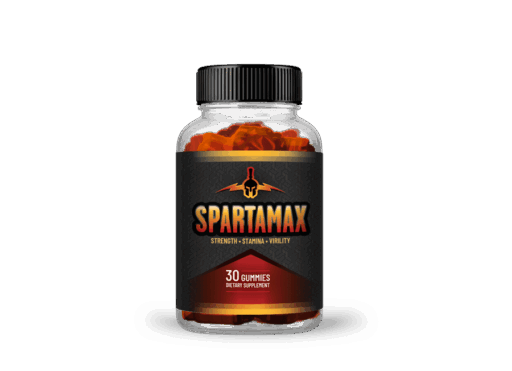
Check Current Price & Buy Spartamax Gummies – Official Website
- 1. Testosterone and Erectile Dysfunction: The Real Connection
- 2. Types of Testosterone Therapy Explained
- 3. Which Type Works Best for ED?
- 4. Natural Testosterone Boosters: My Personal Testing
- 5. Spartamax Gummies: What I Found After 90 Days
- 6. Who Should Consider Testosterone Support?
- 7. Risks, Caveats, and Honest Warnings
- 8. Final Verdict
Testosterone and Erectile Dysfunction: The Real Connection
Important notice: This content is for informational purposes and is based on personal experience and scientific research. It is not a substitute for medical advice. Results vary from person to person. If you have pre-existing health conditions or are taking medication, consult your doctor before starting any supplementation.
Let me start with something most articles skip: testosterone alone isn’t always the reason men struggle with erectile dysfunction.
In fact, after eight-plus years of testing supplements, reading clinical trials, and talking to men in various stages of hormonal decline, I’ve learned that this relationship is far more nuanced than most people realize.
That said — low testosterone absolutely does contribute to ED, and it does so in measurable, documented ways. Understanding how it works is the first step toward figuring out which form of testosterone support actually helps.
Testosterone influences erections in two major ways. First, it supports the production of nitric oxide, the compound that relaxes blood vessels in the penis and allows blood to fill the erectile tissue.
Second, it plays a role in libido — the mental drive to be sexually engaged. Without adequate testosterone, even if the physical mechanics are intact, the desire simply isn’t there. Both pieces matter.
According to research published in the Journal of Sexual Medicine, men with clinically low testosterone (below 300 ng/dL) show significantly higher rates of erectile dysfunction compared to men with normal levels. Additionally, studies suggest that testosterone replacement therapy (TRT) can improve erection quality in hypogonadal men — but it’s not a blanket fix for everyone.
The key insight from the research — and from my own observation over years of testing — is this: testosterone therapy works best when low testosterone is actually the root cause of the ED. When ED stems from cardiovascular issues, psychological stress, or diabetes, testosterone plays a supporting role, not a starring one.
With that foundation in place, let’s get into the actual types of testosterone — because they’re genuinely not the same, and the delivery method matters.
Types of Testosterone Therapy Explained
There are several clinically available forms of testosterone. Each has its own pharmacokinetic profile, administration schedule, pros, cons, and — importantly — different implications for sexual function and ED specifically.
Injectable Testosterone
Injections are the oldest and most well-studied form of TRT. The two most common esters used in the United States are testosterone cypionate and testosterone enanthate.
Both are long-acting esters, typically administered every one to two weeks. Some men and their doctors prefer more frequent, smaller doses (every 3–5 days) to avoid the hormonal peaks and troughs that come with less frequent injections.
Here’s the thing about those peaks and troughs: they matter for ED. When testosterone spikes right after an injection and then drops toward the end of the dosing window, men often report that sexual function improves dramatically after the shot — and then gradually declines before the next one.
That rollercoaster effect is one of the most commonly reported complaints. For men who are especially sensitive to hormonal fluctuations, the swings can be more frustrating than helpful.
On the other hand, injections offer the highest bioavailability of any testosterone delivery method. There’s no guesswork about absorption, no skin patches falling off, no gels transferred to partners. You inject, and the testosterone gets in your system. Period.
From a cost perspective, injectable testosterone is also among the most affordable options — particularly testosterone cypionate, which has been generic for decades.
Best for ED when: A man is clearly hypogonadal, needs reliable delivery, and can tolerate or manage the injection schedule. Many men doing weekly or twice-weekly injections report the most stable sexual function improvements.
Topical Gels and Creams
Testosterone gels (brand names like AndroGel, Testim, and others) became enormously popular in the 2000s and early 2010s, largely because they eliminated the needle. For a lot of men, that’s a meaningful quality-of-life improvement.
Gels are applied daily — usually to the shoulders, upper arms, or abdomen — and absorbed through the skin over the course of the day. Daily application means more stable testosterone levels compared to weekly injections, which is genuinely a benefit for men whose ED is sensitive to hormonal fluctuations.
However, transdermal absorption is notoriously variable. Skin type, sweating, showering after application, and even the application site affect how much testosterone actually makes it into systemic circulation. Some men absorb gels very well; others barely absorb them at all.
There’s also the transfer risk. Testosterone gel can transfer from skin contact to a female partner or children, which is a real and documented clinical concern. Most prescribing guidelines recommend covering the application site or washing hands thoroughly — and avoiding skin-to-skin contact until the gel has fully dried.
Creams, especially compounded creams applied to scrotal skin (which has much higher absorption), have become increasingly popular in men’s health clinics. Scrotal testosterone cream can produce notably higher testosterone levels than other topical methods due to the thinner, more vascularized skin in that area.
Best for ED when: A man wants stable daily levels without injections and has confirmed good transdermal absorption. The scrotal cream route is particularly worth discussing with a physician if standard gels have underdelivered.
Pellet Implants
Testosterone pellets are rice-sized implants inserted subcutaneously — typically in the upper buttocks — by a physician. Once implanted, they slowly release testosterone over three to six months.
The appeal is obvious: no daily gels, no weekly injections, no remembering doses. For men who struggle with adherence, pellets offer a compelling set-it-and-forget-it solution.
In terms of ED outcomes, pellets tend to produce consistent, stable testosterone levels throughout their release window. That stability can translate into consistent improvements in libido and erection quality — without the peaks and valleys of injections.
The downsides are also worth understanding. Insertion is a minor procedure with infection risk, albeit low. More importantly, if hormone levels are too high (or cause side effects), there’s no easy way to “stop” the pellets — you have to wait them out. That lack of reversibility is a legitimate concern.
Cost is another factor. Pellet therapy is often not covered by insurance and can run $300–$600 per insertion session, several times per year.
Best for ED when: A man wants long-term, stable testosterone delivery without any adherence burden. Works particularly well for men who’ve already established their ideal dose through another method and want consistency.
Oral and Buccal Forms
Traditional oral testosterone (like methyltestosterone) is essentially obsolete in modern clinical practice due to significant liver toxicity concerns. However, newer oral formulations like testosterone undecanoate (Jatenzo, Tlando) have changed that picture significantly.
Testosterone undecanoate is absorbed via the lymphatic system rather than first-pass liver metabolism, which eliminates the hepatotoxicity problem that plagued older oral androgens. It’s taken twice daily with food, making it more convenient than injections but requiring some consistency.
Buccal testosterone (Striant) is a small mucoadhesive tablet placed between the gum and cheek twice daily. It absorbs through the oral mucosa. Some men find it uncomfortable; others adapt quickly.
Both oral and buccal forms produce reasonably stable levels, though neither matches the stability of pellets or daily gels. For ED specifically, the twice-daily dosing means levels stay fairly steady throughout the day, which many men find correlates well with consistent sexual function.
Best for ED when: A man is needle-averse and gel-absorption is unreliable, or when the convenience of a pill-based protocol fits the lifestyle better. Oral undecanoate in particular has shown solid clinical efficacy data in recent trials.
Which Type Works Best for ED?
So — the honest answer to the core question here. After reviewing the clinical literature and comparing the practical realities of each delivery method, here’s my take:
For the most reliable improvement in erectile function, frequent low-dose injectable testosterone (every 3–5 days) or pellet implants tend to produce the most consistent outcomes.
The reason comes down to stability. ED — especially the libido and vascular components influenced by testosterone — responds best to steady, predictable hormone levels. Large swings (like those seen with biweekly injections) can actually create unpredictability in sexual function even when average levels are technically normal.
That said, the “best” form of testosterone is ultimately the one that a man actually uses correctly, tolerates well, and maintains consistently over time. A gel used daily with good absorption beats injections that are skipped or dosed erratically.
One often-overlooked point: TRT doesn’t work in isolation. Sleep, exercise, body fat percentage, stress, and cardiovascular health all interact with testosterone and independently affect erectile function. In clinical practice, men who combine TRT with lifestyle optimization consistently outperform men who rely on TRT alone.
Furthermore, some men find that optimizing natural testosterone production first — through lifestyle changes and evidence-backed supplementation — improves their situation enough that medical TRT isn’t necessary. That’s actually where a significant portion of my personal testing has been focused over the past several years.
Natural Testosterone Boosters: My Personal Testing
I want to be upfront about this section: the natural supplement market is flooded with products that overpromise and underdeliver. I’ve tested dozens of them. Most are forgettable.
However, a subset of compounds has actual, peer-reviewed evidence behind them — and in men with low-to-normal testosterone (not severely hypogonadal), these can make a meaningful difference, especially for sexual function and energy.
The ingredients I’ve found most consistently effective in practice include:
Ashwagandha (KSM-66 extract) — Probably the most robust evidence of any botanical for testosterone. A double-blind RCT published in Medicine found that 600mg daily of KSM-66 increased testosterone by 17% in healthy men over eight weeks.
I’ve personally run ashwagandha at 600mg daily for multiple 12-week periods. The effect on libido and stress reduction was noticeable — not dramatic, but real. The cortisol-lowering mechanism matters here because cortisol directly suppresses testosterone.
Zinc — In men who are deficient (which is surprisingly common, especially in athletes who sweat heavily), zinc supplementation restores testosterone to normal ranges. I’ve had bloodwork done before and after supplementation. The difference in a deficient individual is measurable.
D-Aspartic Acid (DAA) — Evidence is mixed and more dose-dependent than often advertised. At 3g daily, some studies show short-term LH and testosterone increases. At lower doses, the signal is weak. This is one where I’ve seen the most variable results across individuals.
Fenugreek — Primarily works by inhibiting the enzymes that convert testosterone to estrogen (aromatase inhibition). Two clinical trials have shown improvements in total and free testosterone with standardized fenugreek extract. I noticed a modest but consistent effect on energy and libido in my own testing.
Tongkat Ali (Eurycoma longifolia) — One of the more underrated botanicals for sexual function. Clinical evidence from Malaysia and Europe suggests it can increase free testosterone by reducing SHBG binding. In my testing, this was the compound that most directly correlated with improvements in erection quality and drive — more so than others in the same class.
The practical reality is that combination products that stack several of these compounds tend to produce more noticeable effects than any single ingredient alone, particularly because they address multiple pathways simultaneously — cortisol management, LH stimulation, aromatase inhibition, and zinc sufficiency.
Spartamax Gummies: What I Found After 90 Days
About six months ago, I added Spartamax Gummies to my testing rotation. My goal was to evaluate whether a gummy-format testosterone support product could deliver real results — or whether the format was primarily a novelty.
I ran a full 90-day protocol. I tracked morning libido scores (subjective 1–10), energy levels, workout performance, and sleep quality. I didn’t do bloodwork specifically for this test, so I’ll be transparent: I can’t give you pre/post testosterone numbers. What I can tell you is what I observed functionally.
Weeks 1–3: Honestly, not much. This is typical for botanical testosterone support — the mechanisms are slow-acting. I noted slightly better energy in the mornings but wasn’t attributing it definitively to the product yet.
Weeks 4–7: This is where things got more interesting. Morning libido scores improved noticeably — averaging around 7/10 versus 5/10 at baseline. My workouts felt stronger. Sleep seemed a bit deeper. The gummy format made daily compliance easy, which matters more than it sounds.
Weeks 8–12: The improvements stabilized. I wasn’t seeing new gains week over week, but I was maintaining the improvements from the earlier period. Erection quality during that window was notably better than my baseline — firmer, more reliable, and accompanied by stronger drive.
Let me be clear about what Spartamax Gummies are not: they’re not TRT. They don’t replace medical testosterone therapy in men with clinically low testosterone. But for men in the “subclinical” zone — testosterone that’s technically in range but on the lower end — or men who want to optimize without going the prescription route, the results were more meaningful than I expected from a gummy format.
The formulation appears to include several of the evidence-backed ingredients I mentioned above. The gummy delivery actually has some practical advantages — it bypasses the need to swallow multiple large capsules, and some compounds may absorb reasonably well through the buccal mucosa as it dissolves.
Bottom line on Spartamax Gummies: I’d recommend it as a legitimate first-line option for men looking to support testosterone naturally, especially those who’ve been resistant to pill-based supplements in the past. The 90-day experience was positive enough that I’d use it again.
Check Current Price & Buy Spartamax Gummies – Official Website
Who Should Consider Testosterone Support?
This is a question I take seriously, because the answer isn’t “everyone with ED.” Testosterone is one piece of a larger picture, and approaching it correctly means first understanding whether it’s actually the issue.
Signs that low testosterone may be contributing to your ED include: reduced morning erections, significantly decreased libido (not just situational), fatigue that sleep doesn’t fix, loss of muscle mass despite training, increased body fat particularly around the midsection, and mood changes including irritability or low motivation.
If you’re experiencing several of those symptoms together, that’s a stronger signal. A single blood test showing total testosterone isn’t always the full story — free testosterone (the biologically active fraction) matters more, and testing SHBG, LH, FSH, estradiol, and prolactin gives a much more complete picture.
For men in their 40s and beyond, testosterone naturally declines roughly 1–2% per year. That gradual decline is real and does affect sexual function over time. Testosterone support — whether medical or natural — is a legitimate conversation for this demographic.
Younger men (20s–30s) with ED should be especially careful not to jump to testosterone conclusions. ED in young men is more commonly driven by performance anxiety, cardiovascular risk factors, poor sleep, alcohol use, or porn-related desensitization. Addressing those root causes typically produces better outcomes than hormonal intervention.
In either case, getting actual bloodwork done before supplementing is the most important step I’d recommend. It removes guesswork and lets you track whether what you’re doing is actually working.
Risks, Caveats, and Honest Warnings
I’d be doing you a disservice if I didn’t spend real time on this section. Testosterone therapy — medical or supplemental — isn’t without risks. You deserve the full picture.
Exogenous testosterone suppresses natural production. This is perhaps the most important caveat for men considering TRT. When you introduce testosterone from an outside source, your hypothalamic-pituitary-gonadal (HPG) axis downregulates. The testicles produce less testosterone and can atrophy over time without additional interventions like hCG or clomiphene.
Fertility is affected by TRT. Men who intend to have children should discuss this carefully with a urologist or men’s health specialist before starting TRT. Exogenous testosterone significantly reduces sperm production. This effect is often reversible, but not always — and recovery timelines vary widely.
Hematocrit and polycythemia risk. Testosterone stimulates red blood cell production. In some men, this elevates hematocrit to levels that increase clotting risk. Regular blood monitoring (every 3–6 months on TRT) is standard of care for this reason.
Estrogen conversion. A portion of exogenous testosterone converts to estradiol via aromatase. In some men, this elevates estrogen enough to cause symptoms like water retention, mood swings, or gynecomastia. Managing estrogen is a real and often underappreciated aspect of TRT management.
Cardiovascular considerations are still being studied. The relationship between TRT and cardiovascular risk has gone back and forth in the research literature. The most recent large-scale trial (TRAVERSE, published 2023) found no significant increase in major cardiovascular events in men with hypogonadism receiving TRT — but this doesn’t mean TRT is risk-free for men with pre-existing heart conditions. Work with a cardiologist if cardiovascular disease is part of your history.
For natural supplements, the risk profile is considerably lower, though not zero. Drug interactions are possible, particularly for men on blood thinners or diabetes medications. Ashwagandha, for instance, can lower blood sugar — relevant for diabetics on medication. Fenugreek has similar concerns.
Always disclose all supplements to your physician. This isn’t a formality — it’s genuinely important for safety.
Final Verdict
After everything I’ve covered here, let me bring it back to the central question: which type of testosterone is best for erectile dysfunction?
The most direct clinical answer for men with confirmed hypogonadism is: frequent low-dose injectable testosterone cypionate or enanthate, or pellet therapy for those who want stability without the injection schedule. Both produce the consistent hormonal environment that most reliably supports erectile function.
Topical options (gels, creams) are a legitimate second choice, particularly when daily compliance is realistic and absorption is confirmed through follow-up bloodwork.
For men who aren’t yet at the TRT threshold, or who want to try natural optimization first, a well-formulated supplement stack targeting the key pathways — cortisol reduction, LH stimulation, free testosterone optimization — can make a meaningful and measurable difference in sexual function.
My 90-day experience with Spartamax Gummies placed it firmly in the “worth trying” category for that second group. It’s not magic, and it won’t replace TRT in severe cases. But as a consistent daily support protocol for men looking to improve energy, libido, and erection quality without a prescription, it earned its place in my testing results.
The larger point — and the one I hope you take from all of this — is that testosterone is one variable in a complex equation. Sleep, stress, metabolic health, and cardiovascular fitness are all upstream of testosterone and erectile function both. The men I’ve seen get the best results are the ones who address all of those factors together, rather than treating testosterone as a silver bullet.
If you’re struggling with ED, get your hormones checked. Understand your numbers. And then make a decision based on your actual situation — not on what worked for someone else. That’s the kind of personalized, evidence-informed approach that actually moves the needle.
Check Current Price & Buy Spartamax Gummies – Official Website