Erectile Dysfunction Is a Bigger Deal in China Than Most People Realize
This article is for general educational purposes and isn’t a substitute for personalized medical advice.
Type “what do the Chinese take for ED” into a search bar and you’ll fall down a rabbit hole of goat-related folklore, ancient herbal formulas, and pharmacy shelves that look nothing like the ones back home.
It’s a fair question, and a far more layered one than most people expect. China sits at a genuine crossroads where a 2,000-year-old medical tradition and a booming modern pharmaceutical industry operate side by side, sometimes in the very same clinic, sometimes in the very same prescription.
Men there generally aren’t choosing between “ancient wisdom” and “modern science” the way Western headlines love to frame it — they’re often using both, layering a centuries-old herb on top of a same-day PDE5 inhibitor, or trying acupuncture before ever setting foot in a urologist’s office.
This piece breaks down exactly what’s really being used, what these herbs are supposed to do according to Traditional Chinese Medicine (TCM) theory, what actually seems to work according to the clinical research, and where the whole “herbal Viagra” industry gets genuinely dangerous.
Think of it less as a shopping list and more as a map of a health culture that Western medicine is only now starting to take seriously.
Before getting into herbs and pills, it helps to understand just how enormous this issue actually is in China, because the scale changes the whole conversation.
This isn’t a niche problem tucked away in men’s health forums — it’s a genuine public health issue affecting anywhere from one in seven to roughly one in two men, depending on how a given study measured it and which age groups it included.
A pooled analysis of 25 separate Chinese studies, covering close to 50,000 men altogether, found that erectile dysfunction (ED) affects roughly half of the male population when assessed using a validated clinical questionnaire called the IIEF-5.
That’s a staggering number for a topic that, culturally, almost nobody wants to bring up at the dinner table.
And here’s the part that really tells you something about the culture surrounding this issue: when researchers simply asked men to self-report whether they had ED, instead of using the clinical questionnaire, the reported rate dropped to roughly one in seven.
That massive gap between what men actually experience and what men are willing to admit is really the whole story in miniature, and it’s a big part of why so many quietly turn to herbal shops and TCM pharmacies instead of a hospital waiting room.
How Many Men in China Actually Deal With ED
Numbers help put a face on a problem that so often stays hidden, so it’s worth sitting with them for a moment.
Chinese government statistics once compiled in the China Statistical Yearbook put the raw figure at more than 127 million men living with some degree of erectile dysfunction,
and researchers studying healthcare-seeking behavior found that only around one in ten of them ever brought the issue to a doctor.
Even accounting for the fact that a good chunk of these figures are now over a decade old, the underlying scale almost certainly hasn’t shrunk — if anything, an aging population and rising rates of diabetes, hypertension, and metabolic syndrome, all major physical drivers of ED,
have likely pushed the real number higher since then.
What’s especially interesting is how severity breaks down by age: prevalence climbs steadily with each decade past 40, with older groups showing markedly higher rates of moderate-to-severe dysfunction rather than the milder end of the spectrum.
Younger men aren’t exempt either — psychogenic ED, meaning erectile trouble rooted in stress, anxiety, or performance pressure rather than physical causes,
has become enough of a talking point in Chinese andrology journals that entire review papers now track how quickly the research on it is growing.
Whether the cause is physical, psychological, or some tangled combination of both, this is clearly not a fringe concern.
Why So Many Men Stay Silent About It
Here’s where culture does a lot of heavy lifting that biology alone can’t explain.
Researchers studying the gap between actual ED rates and self-reported rates in China have pointed to something specific: in traditional Chinese culture, seeking help for a health issue like this can be perceived as an admission of weakness, a loss of status, or a loss of control,
and for a lot of men that feels like a much bigger cost than simply living with the problem quietly.
Think about how much cultural weight gets packed into the idea of “face,” or mianzi, in Chinese social life, and it starts to make sense why a private, ego-tied issue like erectile dysfunction would be one of the last things a man brings up, even to his own doctor.
That silence has a real consequence: it pushes men toward self-treatment, and self-treatment usually starts with whatever’s sitting on the shelf at a TCM pharmacy rather than a proper medical workup.
It’s a bit like someone with chronic back pain quietly stretching and popping ibuprofen for years before ever getting an MRI, except here the stakes can involve cardiovascular risk factors that a herbal-shop clerk simply isn’t trained to screen for.
This is exactly why the traditional remedies covered in the next section have such deep cultural staying power — they offer privacy and dignity in a way that a hospital visit, for many men, still doesn’t.
Important notice: This content is for informational purposes and is based on an analysis of scientific studies and public information regarding the ingredients. It is not a substitute for medical advice. Results vary from person to person. If you have pre-existing health conditions or are taking medication, consult your doctor before starting any supplementation.
- Erectile Dysfunction Is a Bigger Deal in China Than Most People Realize
- The Traditional Chinese Medicine Philosophy Behind ED
- The Herbal Toolkit: What Chinese Herbal Medicine Actually Uses for ED
- Acupuncture and Other Non-Herbal TCM Practices
- What Modern Medicine in China Actually Prescribes for ED
- The Real Danger: Adulterated “Natural” ED Products
- Everyday Habits Chinese Health Practitioners Recommend Alongside Treatment
- When It’s Time to See an Actual Doctor
- Conclusion
- Frequently Asked Questions
- Is horny goat weed the same thing as “Chinese Viagra”?
- Can I take Chinese herbal remedies alongside Viagra or Cialis?
- Are Chinese herbal supplements for ED safe to buy online?
- How long does it take for herbs like ginseng or Epimedium to work for ED?
- Do doctors in China actually prescribe Viagra, or is it mostly herbal treatment?
The Traditional Chinese Medicine Philosophy Behind ED
To understand what Chinese herbal medicine actually reaches for, you first have to understand how TCM frames erectile dysfunction in the first place, because it’s a completely different diagnostic language than Western urology uses.
Western medicine tends to ask questions about blood flow, nerve function, hormone levels, and vascular health, and it should, since those are the physical mechanics of an erection.
TCM asks a different set of questions entirely, rooted in a framework of energy, organ systems, and internal balance that’s roughly 2,000 years old.
It doesn’t reject the idea that erections involve the body, but it wraps that idea inside a much broader theory about vitality, aging, and energetic equilibrium.
This isn’t just an academic curiosity, either, because this framework is precisely why the herbs, formulas, and practices covered later in this article were chosen by practitioners in the first place.
They weren’t picked at random, or simply because they vaguely sound aphrodisiac; each one was selected according to a specific theory about what’s supposedly out of balance in a man’s body. Getting a handle on that theory, even in broad strokes, makes the rest of this article click into place.
Kidney Yang, Jing, and the TCM View of Male Vitality
In TCM theory, the organ system most closely tied to sexual function isn’t what Western anatomy calls the kidney — it’s a broader energetic system also referred to as the Kidney (capitalized in TCM texts to distinguish it from the physical organ),
considered the root of the body’s fundamental life energy, or Jing (essence).
This Kidney system is said to store two complementary forces: Kidney Yin, representing cooling, nourishing, moistening energy, and Kidney Yang, representing warming, activating, driving energy, the kind TCM practitioners associate with libido, stamina, and erectile function.
When a man experiences erectile dysfunction, especially alongside fatigue, low back pain, cold hands and feet, or low motivation, TCM practitioners will often diagnose what’s called “Kidney Yang deficiency,” essentially meaning the body’s warming, driving energy has become depleted.
Researchers in Shanghai have started applying modern lab techniques, like metabolomics,
to see whether men diagnosed with this pattern show measurably different blood chemistry than men without it — early-stage work that’s less about “proving” TCM theory in a Western sense and more about checking whether there’s any measurable biological signal underneath the traditional language.
Nearly every herb discussed in the next section was chosen specifically because TCM theory holds that it “tonifies,” or replenishes, Kidney Yang, which is the underlying logic tying this entire herbal toolkit together.
The Herbal Toolkit: What Chinese Herbal Medicine Actually Uses for ED
With the theory out of the way, here’s the part most people are actually searching for: the specific herbs.
Walk into a Traditional Chinese Medicine pharmacy anywhere from Guangzhou to a Chinatown herbal shop on the other side of the world, and you’ll find a fairly consistent cast of characters recurring across formulas marketed for male vitality, stamina, and erectile function.
These aren’t random plants somebody decided sounded promising — most show up again and again in classical TCM texts that are centuries, sometimes over a thousand years, old, and they’re almost always combined into multi-herb formulas rather than taken solo,
since TCM theory generally frowns on single-ingredient treatment for anything as complex as Kidney Yang deficiency.
It’s worth being upfront here: modern clinical research on these herbs ranges from “reasonably promising but still early” to “essentially traditional folklore backed by a preclinical study or two,” and none of them have gone through the kind of large, rigorous,
multi-site trials that got sildenafil approved worldwide.
That doesn’t automatically make them useless, but it does mean the marketing claims attached to these herbs online usually run several steps ahead of what the actual data supports. Here’s a closer look at the ones that show up most often.
The Big Four Herbs Practitioners Reach For
If you asked ten different TCM practitioners which single herb they’d reach for first, you’d probably get ten different answers, but four names come up again and again across both classical formulas and modern supplement labels.
Each earned its reputation through a different route — some, like horny goat weed, have decades of laboratory research behind them, while others, like Cistanche, lean more heavily on centuries of traditional use plus a smaller pile of animal studies.
What ties them together is the underlying TCM logic: all four are classified as warming, Yang-tonifying herbs, meaning traditional theory holds that they replenish exactly the kind of depleted energy associated with erectile dysfunction.
A few have also picked up genuine, if modest, support from modern pharmacology, mostly because researchers noticed their active compounds interact with some of the same biological pathways prescription ED drugs target, like nitric oxide signaling and PDE5 enzyme activity.
That overlap is a big part of why these particular herbs, out of the hundreds cataloged in TCM pharmacology, became the household names of Chinese male-vitality supplements specifically.
Here’s a closer look at each one, including what the research actually says rather than just what the label claims.
Epimedium (Horny Goat Weed / Yin Yang Huo)
Epimedium, known in Chinese as yin yang huo and in English by its far more memorable nickname “horny goat weed,” is probably the single most recognizable Chinese herb associated with erectile dysfunction,
and the origin story is almost too good not to mention: legend has it a Chinese goat herder first noticed his flock getting unusually frisky after grazing on the plant, and the name stuck for over a thousand years.
Modern research has actually identified a plausible reason the legend might hold a grain of truth — the herb’s main active compound, icariin, appears to inhibit the PDE5 enzyme, the very same biological target that prescription drugs like Viagra work on,
and it also seems to boost nitric oxide levels, which helps relax blood vessels and improve blood flow.
That’s a genuinely interesting mechanism, and it’s exactly why researchers keep studying it.
But here’s the catch: small human trials using doses in the range of 150 to 300 milligrams of icariin daily have shown only modest improvements in erectile function scores compared with placebo, meaningfully less dramatic than what prescription PDE5 inhibitors deliver,
and the effect typically takes weeks of consistent use to show up rather than the roughly hour-long window sildenafil works within.
It’s not entirely risk-free, either — safety reviews have flagged rare, not always clearly proven, cases of liver enzyme changes in multi-ingredient products containing the herb, and a 2025 medical case report described a man who developed severe,
painful muscle spasms along with elevated muscle-enzyme and kidney-function markers after taking an epimedium supplement, a solid reminder that “traditional” doesn’t automatically mean “risk-free.”
Panax and Korean Red Ginseng
Ginseng might be the most scientifically studied item on this entire list, if only because it’s been swept up into so many general vitality and men’s health trials over the decades, not just ones specifically targeting erectile dysfunction.
Several systematic reviews have pooled together the available randomized controlled trials — one combined seven trials covering roughly 370 men taking doses between 600 and 3,000 milligrams daily for four to twelve weeks,
and found a modest but real improvement in erectile function compared with placebo, typically showing up within four to eight weeks of consistent use.
A smaller randomized trial from the mid-1990s reported a 60% therapeutic response rate in the ginseng group compared with just 30% in both a placebo group and a group given the antidepressant trazodone, a genuinely striking result for a plant extract going up against pharmaceuticals.
That said, not every analysis agrees on how impressive this evidence really is — a more recent, more rigorous systematic review concluded that, based on lower-certainty evidence, ginseng likely produces only trivial effects on erectile function when measured with validated clinical instruments,
even though it may modestly improve men’s self-reported ability to have intercourse.
In plain terms: ginseng is probably one of the safer, better-tolerated options on this list, but the more dramatic efficacy claims deserve a healthy dose of skepticism.
Cistanche Deserticola (Rou Cong Rong)
Cistanche deserticola, called rou cong rong in Chinese, is a parasitic desert plant that’s been prized in TCM formulas for centuries specifically as a Kidney Yang tonic, and it’s picked up a rather blunt nickname in some circles along the way.
According to TCM theory, Cistanche works by simultaneously nourishing Jing and boosting Yang energy, which practitioners believe supports everything from stamina and fertility to sexual performance and general anti-aging effects.
Unlike Epimedium, Cistanche hasn’t been studied nearly as extensively in human clinical trials for erectile dysfunction specifically — most of the supporting evidence currently comes from animal research,
which has shown some promising signals around testosterone levels and reproductive hormone balance, plus a handful of studies exploring potential applications in areas like cognitive function.
It’s rarely taken alone; TCM practitioners almost always combine it into multi-herb formulas alongside other Yang-tonifying ingredients like Cuscuta seed (dodder) or Eucommia, following the classical logic that these herbs work synergistically rather than as standalone treatments.
If you’re seeing Cistanche marketed as a scientifically proven ED cure, that particular claim is running well ahead of the current human research, even though its traditional reputation in Chinese medicine runs genuinely deep.
Cordyceps and Cnidium Monnieri
Rounding out the list are two herbs that rarely headline a product label on their own but show up constantly as supporting players in traditional formulas. Cordyceps sinensis, the famous parasitic caterpillar fungus harvested from high-altitude plateaus,
has been treasured in Chinese medicine for centuries as a general vitality and Kidney tonic, historically so rare and labor-intensive to harvest that it commanded prices rivaling precious metals, though modern cultivation has made it far more accessible today.
Its reputation for boosting stamina and sexual energy is rooted almost entirely in centuries of traditional use rather than robust clinical trials specifically targeting erectile function, so it’s best thought of as a supporting player rather than a proven standalone treatment. Cnidium monnieri,
known in Chinese as she chuang zi, brings a slightly more interesting pharmacological story: its active compound, osthole, has been studied for potential effects on nitric oxide pathways,
the same blood-flow-related mechanism that makes several other herbs on this list biologically plausible candidates for supporting erectile function.
Both herbs are almost always blended into multi-ingredient formulas alongside Epimedium, Cistanche, or ginseng, reflecting the TCM philosophy that Yang-tonifying herbs are meant to work as a coordinated team rather than solo acts,
each reinforcing a slightly different piece of the same underlying deficiency.
| Herb | Chinese Name | TCM Role | What the Research Shows |
|---|---|---|---|
| Epimedium (Horny Goat Weed) | Yin Yang Huo | Kidney Yang tonic | Modest PDE5-inhibiting activity; small trials show mild benefit around 150–300mg icariin/day |
| Panax / Red Ginseng | Ren Shen | Qi and Yang tonic | Mixed evidence; some reviews show modest benefit, others find mostly trivial effects |
| Cistanche Deserticola | Rou Cong Rong | Kidney Yang and Jing tonic | Mostly animal and traditional evidence; limited human ED-specific trials |
| Cordyceps Sinensis | Dong Chong Xia Cao | General vitality / Kidney tonic | Traditional-use based; little ED-specific clinical trial data |
| Cnidium Monnieri | She Chuang Zi | Yang tonic, libido support | Early preclinical evidence around osthole and nitric oxide pathways |
Acupuncture and Other Non-Herbal TCM Practices
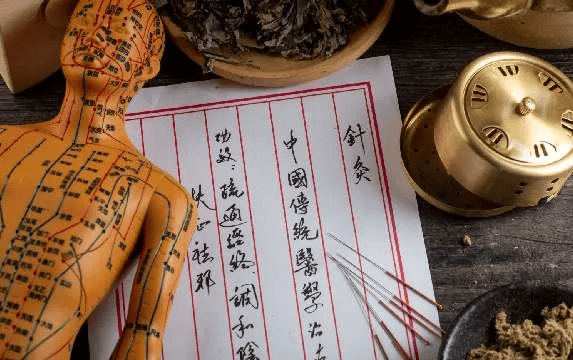
Herbs aren’t the only tool in the TCM kit — acupuncture shows up constantly in Chinese clinics treating erectile dysfunction, particularly the psychogenic kind rooted in stress, anxiety, or performance pressure rather than purely physical causes.
The theory behind it involves stimulating specific acupoints connected, according to TCM meridian theory,
to what practitioners call the “brain-heart-kidney-essence chamber axis,” a framework Chinese andrology researchers have specifically developed to guide which points get needled for sexual dysfunction treatment.
Unlike herbal medicine, acupuncture has actually attracted a decent number of randomized, sham-controlled trials, which is the gold standard for weeding out placebo effects in a treatment that’s notoriously hard to study blind.
One such trial ran eighteen acupuncture sessions over six weeks for men with mild-to-moderate psychogenic ED and found meaningfully improved erectile hardness and sexual satisfaction compared with a sham acupuncture control group, with benefits lasting up to four weeks after treatment ended.
A broader, more recent meta-analysis pooling multiple trials found acupuncture produced an average improvement of a little over three points on the standard 25-point erectile function scale compared with controls,
alongside improvements in testosterone levels and reductions in anxiety and depression scores, though the researchers grading the overall evidence quality still rated it as low to moderate certainty.
Where acupuncture gets genuinely interesting is when it’s combined with herbal medicine rather than used alone.
One meta-analysis found acupuncture plus herbal formulas outperformed herbal formulas by themselves by a fairly wide margin, which fits the broader TCM philosophy that different treatment modalities are meant to reinforce each other rather than compete for the same job.
That said, it would be misleading to oversell this evidence; several independent systematic reviews have flagged that most acupuncture-for-ED trials suffer from small sample sizes, inconsistent methodology, and a genuine difficulty designing a convincing sham control,
since patients can often tell the difference between real needling and a fake needle that doesn’t penetrate the skin, all of which drags down confidence in exactly how much benefit is real versus placebo.
Beyond acupuncture, TCM practices for men’s vitality sometimes extend into moxibustion, which involves burning a herb called mugwort near acupoints to deliver warming stimulation, and qigong,
a system of slow movement and breathing exercises believed to cultivate and circulate Qi throughout the body.
None of these practices carry anywhere near the safety risks associated with unregulated herbal supplements,
which is arguably their biggest advantage — a course of acupuncture from a licensed practitioner is unlikely to accidentally interact with your blood pressure medication the way a black-market herbal capsule might.
What Modern Medicine in China Actually Prescribes for ED
For as much attention as herbal remedies get in casual conversation and internet searches, it would be inaccurate to paint China as a country that treats erectile dysfunction purely through ancient herbs and needles — modern, Western-style pharmaceutical medicine is enormous there too,
and has been for over two decades. Sildenafil, the active ingredient in Viagra, first entered the Chinese market back in 2000, technically as a tightly controlled substance available only through a small number of hospitals rather than an over-the-counter product.
What followed was a genuinely dramatic saga involving patent disputes, government regulators, and a fiercely competitive domestic pharmaceutical industry that fundamentally reshaped how ED medication gets bought and sold in the country.
Chinese men today have access to essentially the same class of prescription drugs available anywhere else in the world, plus a thriving generics market that emerged once patent protections expired,
pushing prices down dramatically and making treatment accessible to a much broader slice of the population than could previously afford imported Western pharmaceuticals.
Understanding this side of the story matters just as much as understanding the herbal side, because in practice, most Chinese men engaging with formal medical treatment for ED are taking a PDE5 inhibitor, not a bag of dried Cistanche root.
PDE5 Inhibitors: Viagra, Cialis, and China’s Homegrown Generics
Pfizer originally secured a use patent for Viagra in China back in 2001, which barred roughly a dozen domestic drug manufacturers from marketing their own sildenafil-based products for erectile dysfunction until that protection finally expired in May 2014.
The moment it did, Guangzhou Baiyunshan Pharmaceutical Holdings became the first Chinese company to win regulatory approval for a domestic generic, launching a product called Jinge (literally “gold dagger”) priced at about 48 yuan per tablet, roughly 60% cheaper than the imported original.
Within about a year, nearly twenty domestic pharmaceutical companies had applied for permission to manufacture their own sildenafil-based generics, and industry analysts at the time projected China’s ED drug market could roughly triple in size,
from an estimated 1.7 billion yuan in 2013 toward 5 billion yuan by 2018, driven almost entirely by falling prices bringing treatment within reach of men who’d previously been priced out.
To put the pre-generic market in perspective, Viagra alone brought in an estimated 890 million yuan in Chinese sales in 2013, compared with roughly 310 million yuan for Cialis and 80 million yuan for Levitra,
and tadalafil (Cialis) in particular has remained popular with patients for its notably longer window of effectiveness compared with sildenafil’s shorter, faster-acting profile.
The net effect of all this competition has been straightforward: Chinese men today can access legitimate, doctor-prescribed PDE5 inhibitors at a fraction of what they cost before 2014, which has arguably done more to close the country’s ED treatment gap than any herbal remedy on the market.
| Medication | Active Ingredient | Typical Onset | Duration of Effect | Status in China |
|---|---|---|---|---|
| Viagra | Sildenafil | ~30–60 minutes | 4–6 hours | Patent expired 2014; multiple domestic generics (e.g., Jinge) |
| Cialis | Tadalafil | ~30–60 minutes | Up to 36 hours | Widely prescribed; strong generic competition |
| Levitra | Vardenafil | ~30–60 minutes | 4–6 hours | Smaller market share than sildenafil or tadalafil |
How TCM and Western Medicine Work Side-by-Side in Chinese Clinics
Here’s what tends to surprise people outside China the most: this isn’t really an either/or situation in Chinese healthcare the way Western media sometimes frames it.
China’s hospital system formally integrates Traditional Chinese Medicine and Western medicine, meaning a man visiting a urology or andrology department might walk out with a sildenafil prescription, a herbal formula meant to address an underlying Kidney Yang deficiency,
lifestyle recommendations rooted in TCM dietary theory, and a referral for cardiovascular screening, all from the very same visit.
Many hospitals maintain dedicated “Integrated Traditional and Western Medicine” departments specifically designed to blend these two approaches rather than force patients to pick a lane,
reflecting a broader philosophy embedded in Chinese public health policy that treats TCM and Western medicine as complementary rather than competing systems.
From a practical standpoint, this actually makes a lot of sense for a condition like ED, which frequently has overlapping physical and psychological roots — a PDE5 inhibitor can address the immediate mechanical problem of blood flow,
while TCM approaches like acupuncture or stress-focused herbal formulas can work on the anxiety, sleep, and lifestyle factors sitting underneath it.
It’s less a culture clash and more a genuinely blended treatment model, and one that integrative medicine clinics elsewhere have actually started studying and borrowing from in recent years.
The Real Danger: Adulterated “Natural” ED Products
Here’s the part of this topic that genuinely matters more than any single herb’s traditional reputation: a huge share of the “natural” or “herbal” ED products sold online and in some retail stores, including many marketed with Chinese branding or ingredient lists,
aren’t natural at all — they’re secretly spiked with real prescription drugs.
Products marketed for sexual enhancement represent the single largest category of adulterated products in the FDA’s health fraud database, and the most common contaminants by far are PDE5 inhibitors: sildenafil, tadalafil, and vardenafil, the exact same active ingredients found in Viagra,
Cialis, and Levitra.
One peer-reviewed analysis of supplements pulled from retail shelves found that 72% of products with a prior FDA warning attached to them contained at least one hidden pharmaceutical ingredient,
and a separate ten-year FDA data review found tadalafil specifically detected in more than 20% of tested sexual enhancement supplements.
This isn’t a rare or purely historical problem, either — the FDA has issued fresh warnings on tainted sexual enhancement products essentially every few months for years running,
with recent examples including products confirmed through laboratory testing in 2025 and 2026 to contain undeclared sildenafil and tadalafil despite being marketed as all-natural.
If you’ve ever bought a “natural Viagra”-style product from an unregulated online seller, there’s a genuinely meaningful chance you were actually taking an unlabeled prescription drug the entire time.
Why does this matter beyond simple false advertising?
Because hidden PDE5 inhibitors can be genuinely dangerous when combined with certain other medications, particularly nitrate drugs prescribed for chest pain or heart disease, where the interaction can send blood pressure crashing to dangerously low levels.
Men with diabetes, high blood pressure, high cholesterol, or existing heart disease, which describes an awfully large share of the population most likely to experience ED in the first place, are exactly the group at highest risk from this kind of hidden interaction,
since they’re more likely to already be on nitrate-containing medications. Mayo Clinic puts the core issue about as plainly as it can be put: just because a product claims to be natural doesn’t mean it’s safe.
Unlike prescription medications, which have to prove both safety and effectiveness through rigorous clinical trials before ever reaching a pharmacy shelf, dietary supplements in most markets, including much of what gets sold online globally,
face nowhere near that level of scrutiny before hitting the market.
The safest path, if you’re going to explore any kind of supplement for erectile dysfunction, whether it’s a TCM herb or anything else, is buying from a reputable, ideally licensed source,
and talking to a doctor or qualified TCM practitioner first who can flag interactions with anything else you’re taking, rather than gambling on a mystery capsule from an unregulated website promising overnight results.
Everyday Habits Chinese Health Practitioners Recommend Alongside Treatment
Herbs and prescriptions tend to get all the attention, but ask any TCM practitioner in China what actually matters most for a man’s sexual vitality, and lifestyle factors come up just as fast, if not faster, than any specific herb or formula.
TCM has always treated the body as an interconnected whole rather than a collection of separate problems to patch individually, which means a practitioner addressing erectile dysfunction is almost always going to ask about sleep quality, stress levels, alcohol consumption,
and diet before ever reaching for a prescription pad or an herbal formula.
This holistic instinct actually lines up surprisingly well with what modern Western urology has independently concluded: cardiovascular health, a healthy body weight, not smoking, moderate alcohol intake, adequate sleep, and stress management are all directly tied to erectile function,
since so much of what causes ED physically comes down to blood flow and vascular health.
Where TCM adds its own distinct flavor is in how it frames these lifestyle recommendations, often wrapping practical advice like “get better sleep” or “eat less greasy food” inside the language of protecting Jing, balancing Yin and Yang,
or avoiding habits that “drain Kidney energy,” which is really just a culturally resonant way of packaging genuinely sound health advice.
Food Therapy and the Foods Traditionally Linked to Yang Energy
Chinese food therapy, known as shiliao, treats certain everyday foods as gentle, food-grade versions of the same Yang-tonifying herbs discussed earlier in this article, meant to be worked into a normal diet rather than taken as a concentrated supplement.
Walnuts, black sesame seeds, chives (sometimes called Chinese leeks), and black beans are among the most commonly recommended foods in this tradition, each believed to support Kidney energy and warming Yang qualities when eaten regularly as part of a balanced diet.
Certain warming proteins and broths, particularly those made with mutton, shrimp, or bone marrow, also show up constantly in TCM dietary recommendations for men’s vitality, generally paired with advice to avoid excessive cold or raw foods,
which TCM theory holds can weaken digestive and Kidney energy over time.
It’s worth being clear-eyed here: none of these specific foods have been rigorously studied in controlled trials for erectile dysfunction the way, say, red ginseng has,
so their inclusion is really about traditional dietary philosophy and general nutritional value (walnuts and sesame genuinely are nutrient-dense, heart-healthy foods, for what it’s worth) rather than a scientifically proven ED treatment.
Still, building a diet around whole foods, healthy fats, and lean proteins is solid advice by any medical standard, TCM or otherwise, so there’s little downside to borrowing this particular piece of the tradition.
When It’s Time to See an Actual Doctor
Regardless of which herb, formula, or PDE5 inhibitor eventually enters the picture, there’s a more fundamental point worth making clearly: erectile dysfunction is frequently an early warning sign for underlying cardiovascular disease, not just an isolated inconvenience,
because the small blood vessels involved in an erection tend to show signs of trouble years before the larger arteries feeding the heart do.
That means a man treating ED exclusively with herbal supplements bought online, without ever getting a proper medical evaluation, could genuinely be missing an early signal of developing heart disease, diabetes, or a hormonal imbalance,
treating the symptom while the underlying condition continues progressing unaddressed.
This is exactly the blind spot that worries physicians most about a purely herbal-shortcut approach: a supplement might modestly help with the immediate erection problem while doing absolutely nothing to catch the metabolic or cardiovascular issue quietly driving it in the first place.
A proper medical workup for ED typically involves basic bloodwork checking cholesterol, blood sugar, and testosterone levels, a blood pressure check, and an honest conversation about medications, smoking, alcohol use, and mental health,
none of which an herbal shop or an online supplement retailer is equipped to provide.
So when should someone actually make that appointment rather than continuing to self-treat?
Any time erectile difficulty has lasted more than a few weeks and isn’t clearly tied to an obvious one-off cause like exhaustion or too much alcohol, and alongside any new symptoms like chest discomfort, unusual fatigue, or numbness,
it’s worth getting checked out promptly rather than waiting it out.
The same goes for anyone already taking heart medication, especially anything containing nitrates, before adding any supplement, herbal or otherwise, into the mix, given how dangerous that specific combination can become.
It’s also worth remembering that plenty of men find real, meaningful relief through a combination approach a doctor can actually help coordinate safely: a prescription PDE5 inhibitor alongside professionally guided TCM support, whether that’s acupuncture,
a properly formulated herbal blend from a licensed practitioner, or straightforward lifestyle coaching, rather than either extreme of purely Western pharmaceuticals or purely unsupervised herbal self-treatment.
There’s no shame in bringing this up with a doctor, no matter how private or embarrassing it might feel in the moment, and getting it properly evaluated remains the single most reliable way to figure out both what’s actually causing the problem and which treatment path, or combination of paths,
makes the most sense for your specific situation.
Conclusion
So, what do the Chinese actually take for ED?
The honest answer is: pretty much everything, layered together in a way that rarely fits neatly into a single headline. Traditional Chinese Medicine offers a deep, centuries-old toolkit of herbs like Epimedium, ginseng, and Cistanche, built around the theory of replenishing Kidney Yang,
alongside practices like acupuncture that have picked up genuine, if modest, scientific support in recent years.
At the very same time, modern pharmaceutical medicine, particularly PDE5 inhibitors like sildenafil and tadalafil, plays an enormous and growing role, especially since domestic generic competition made these drugs dramatically more affordable after 2014.
What ties the whole picture together isn’t really a contest between “ancient wisdom” and “modern science” the way it’s so often framed online — it’s a genuinely blended healthcare culture where both traditions coexist, often within the very same hospital visit.
The one thread that should matter most to anyone reading this from outside China, or considering trying any of these remedies personally,
is safety: legitimate TCM herbs sourced from reputable practitioners are a very different thing from the flood of unregulated “herbal Viagra” products online that regularly turn out to be secretly spiked with real prescription drugs.
Whatever path feels right, pairing it with an actual medical evaluation, rather than skipping straight to self-treatment, remains the single smartest move anyone dealing with ED can make.
Frequently Asked Questions
Is horny goat weed the same thing as “Chinese Viagra”?
Not exactly, though the nickname isn’t entirely unearned.
Horny goat weed’s active compound, icariin, works through a genuinely similar mechanism to sildenafil, inhibiting the PDE5 enzyme and boosting nitric oxide to improve blood flow, which is why researchers keep taking it seriously enough to study.
The catch is potency and speed: clinical trials show its effects are considerably milder than a prescription PDE5 inhibitor, and it typically needs weeks of consistent daily use before any benefit shows up, rather than working within an hour the way Viagra does.
So it’s a distant, much gentler cousin of Viagra at best, not a true herbal equivalent, and it shouldn’t be marketed or treated as a drop-in replacement for prescription medication.
Can I take Chinese herbal remedies alongside Viagra or Cialis?
This is exactly the kind of question that needs a real doctor or pharmacist, not a generic yes or no, because the answer depends heavily on which specific herbs and formulas are involved.
Some TCM herbs carry known interaction risks with blood pressure medications or blood thinners, and combining multiple substances that all affect blood flow, even gently, can add up to something stronger than any one ingredient alone.
Chinese hospitals that formally integrate TCM and Western medicine generally have practitioners trained specifically to manage these combinations safely,
which is very different from self-combining a random online herbal supplement with a prescription PDE5 inhibitor without any professional oversight.
If you’re taking or considering a prescription ED medication, loop in your prescribing doctor before adding any herbal product to the mix.
Are Chinese herbal supplements for ED safe to buy online?
Buying from a reputable, licensed TCM pharmacy or practitioner is genuinely different from buying an unregulated “herbal Viagra” product off a random website or marketplace listing, and that distinction matters enormously for safety.
Products marketed for sexual enhancement are the single most common category found adulterated with hidden prescription drugs in FDA testing, with sildenafil and tadalafil showing up undeclared in a large share of tested products, some sold specifically with Chinese branding or ingredient claims.
That hidden-ingredient problem is precisely what makes unregulated online herbal ED products risky, particularly for anyone taking nitrate-based heart medication, rather than any inherent danger in legitimate Chinese herbal medicine itself.
If you want to explore TCM options safely, working with a licensed practitioner who sources from reputable suppliers is a dramatically safer route than a mystery capsule ordered online.
How long does it take for herbs like ginseng or Epimedium to work for ED?
Patience is basically built into how these herbs are meant to be used, which is one of the biggest practical differences from prescription medication.
Clinical trials on red ginseng generally used doses between 600 and 3,000 milligrams daily for four to twelve weeks before measuring results, with most improvement showing up somewhere in that four-to-eight-week window rather than immediately.
Epimedium follows a similar pattern, typically requiring weeks of consistent daily use before any modest benefit becomes noticeable, a world away from a PDE5 inhibitor designed to work within roughly an hour of taking it.
That slower timeline is exactly why TCM treatment plans are generally built around sustained use and lifestyle integration rather than an as-needed, just-before-sex approach.
Do doctors in China actually prescribe Viagra, or is it mostly herbal treatment?
Both, and often at the same visit.
China’s healthcare system formally integrates Traditional Chinese Medicine with Western medicine, so a man visiting a urology or andrology department for ED is genuinely likely to walk out with a prescription PDE5 inhibitor like sildenafil or tadalafil,
a TCM herbal formula addressing an underlying pattern like Kidney Yang deficiency, and general lifestyle guidance, all bundled into one treatment plan rather than forcing a choice between them.
Since Viagra’s patent expired in China back in 2014, domestic generic competition has made prescription ED medication dramatically more affordable and accessible,
which has driven substantial growth in how many men pursue formal pharmaceutical treatment rather than relying purely on herbal self-care.
So while the herbal side of Chinese ED treatment tends to get more attention in Western conversations, mainstream pharmaceutical medicine plays just as large, if not a larger, role in actual day-to-day clinical practice.