Type “Chinese herbal viagra” into any search bar and you’ll fall into a rabbit hole of gas station bottles, glossy Amazon listings, and gray-market capsules promising the same results as a little blue pill — minus the prescription. It sounds almost too convenient.
Thousands of years of herbal wisdom, bottled up into something you can buy without ever talking to a doctor? That pitch is exactly why the category has exploded online, but it’s also exactly why it deserves a much closer look than the marketing copy gives it.
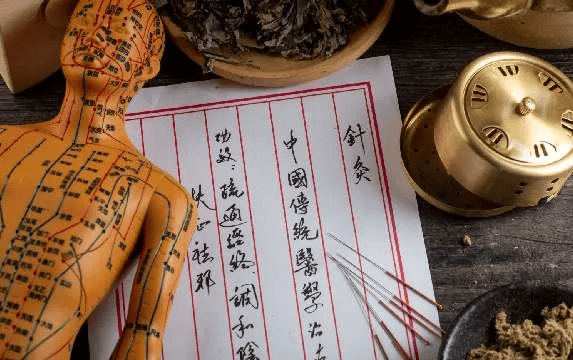
Some of what’s behind this label traces back to genuine, centuries-old Traditional Chinese Medicine (TCM) practice, and modern researchers have actually studied a handful of these herbs with real interest.
At the same time, regulators on multiple continents have caught a disturbing number of products sold under this branding secretly spiked with actual pharmaceutical drugs.
This guide walks through both sides of that story — the botany and the biochemistry, plus the very real safety record — so you can separate the plant-based tradition from the counterfeit pill hiding behind a “natural” label.
Important notice: This content is for informational purposes and is based on an analysis of scientific studies and public information regarding the ingredients. It is not a substitute for medical advice. Results vary from person to person. If you have pre-existing health conditions or are taking medication, consult your doctor before starting any supplementation.
- What Does “Chinese Herbal Viagra” Actually Mean?
- The Traditional Chinese Medicine Roots Behind the Claims
- What Modern Research Actually Shows
- The Real Risk: Products Spiked With Undeclared Drugs
- Chinese Herbal Viagra vs. Prescription ED Medication
- Red Flags Before You Buy Anything
- Who Should Avoid These Products Entirely
- Safer, Smarter Ways to Support Erectile Function
- Conclusion
- Frequently Asked Questions
What Does “Chinese Herbal Viagra” Actually Mean?
A Blanket Marketing Term, Not One Specific Product
Here’s the first thing worth understanding: “Chinese herbal viagra” isn’t a single, regulated product the way Viagra itself is.
It’s a catch-all marketing phrase slapped onto hundreds of different capsules, powders, and tinctures, each with its own ingredient list, dosage, and manufacturer. Some formulations genuinely lean on classical TCM herbs like Epimedium or ginseng.
Others borrow the “Chinese herbal” label purely for its exotic, ancient-wisdom appeal while containing little more than filler and a handful of cheap botanicals.
Because there’s no single governing body certifying what belongs under this umbrella term, buying “Chinese herbal viagra” is a bit like ordering “Italian pasta” — you might get a beautifully made dish rooted in real tradition,
or you might get a bowl of noodles that has nothing to do with Italy at all. That inconsistency is precisely why so many buyers end up disappointed, or worse, harmed.
Where These Products Show Up
These supplements circulate through a surprisingly wide network of channels: traditional Chinese medicine shops, gas station counters, adult stores, and a flood of listings on major e-commerce platforms and international marketplaces.
Some arrive through legitimate importers who source from established TCM manufacturers with decades of herbal formulation experience.
Others get shipped in bulk through informal supply chains with essentially zero quality control, then repackaged under whatever catchy name a distributor thinks will sell that month — “Zhen Gong Fu,” “Shangai Ultra,” and dozens of similar brand names have all made appearances over the years.
The packaging often looks polished, complete with claims of “clinically proven” results and glowing testimonials, but polish has never been a reliable stand-in for actual regulatory oversight.
The Traditional Chinese Medicine Roots Behind the Claims
Epimedium (Horny Goat Weed) and Icariin
If there’s one herb that anchors the entire “Chinese herbal viagra” category, it’s Epimedium, better known in the West as horny goat weed.
TCM practitioners have used it for centuries to treat what’s classically described as impotence, and modern researchers eventually got curious about why. The answer seems to center on icariin, one of Epimedium’s primary active flavonoid compounds.
Laboratory studies have found that icariin can inhibit the PDE5 enzyme — the exact same enzyme that pharmaceutical PDE5 inhibitors like sildenafil target — while also helping preserve nitric oxide signaling that supports blood flow to erectile tissue.
Think of it as borrowing the same lock-picking trick that pharmaceutical Viagra uses, just with a much less precisely cut botanical key.
Animal studies, including work in diabetic rat models, have shown icariin improving erectile function through this mechanism, which is a genuinely interesting finding. It just hasn’t been replicated at the scale or rigor of the trials that got sildenafil approved.
Ginseng, Cistanche, and Other Staples
Epimedium doesn’t work alone in most classical formulas.
Panax ginseng, sometimes called Korean red ginseng, shows up constantly in TCM sexual health preparations, and it’s one of the few herbs in this space with a placebo-controlled, double-blind human trial behind it —
one multicenter study found that long-term use of red ginseng extract measurably improved erectile function compared to placebo.
Cistanche deserticola, a desert-growing parasitic plant, has a long history of use for what TCM calls kidney and essence deficiency, and animal research suggests it may shorten the time to erection and extend erectile duration in test subjects.
Berberine, extracted from herbs like Coptis and Phellodendron, has shown some ability to relax cavernosal tissue in lab studies through effects on nitric oxide synthase.
None of these compounds are pharmacologically inert — they genuinely interact with biological pathways tied to erectile function. The question, as always in herbal medicine, is whether a capsule bought online delivers a consistent, effective, and safe dose of any of them.
The “Kidney Yang Deficiency” Framework
To understand why these specific herbs get paired together, it helps to understand the diagnostic lens TCM uses.
Erectile difficulty is traditionally framed as a symptom of Kidney Yang deficiency, Qi stagnation, or blood stasis — concepts that don’t map directly onto Western endocrinology or vascular medicine but that guide how practitioners select and combine herbs.
Formulas like Jin Gui Shen Qi Wan are built specifically to “warm” and strengthen Kidney Yang, while others target circulation more directly.
This isn’t pseudo-mystical decoration; it’s a coherent internal logic that has guided herbal prescribing in China for roughly two thousand years, and it’s the reason a trained TCM practitioner rarely prescribes Epimedium alone —
the herb gets combined and adjusted based on a person’s broader pattern of symptoms. That nuance is almost entirely lost in a mass-market bottle labeled simply “Chinese herbal viagra,” which is one more reason these commercial products diverge so far from the medicine they claim to represent.
What Modern Research Actually Shows
Animal and Laboratory Findings
Most of what we know about how these herbs might work comes from animal and cell-based studies, and there’s a fair amount of it. Icariin has been shown to inhibit PDE5 activity and increase cGMP levels in hypertensive rats.
Extracts of Cistanche have demonstrated effects on sex hormone levels and endothelium-dependent relaxation of blood vessels in rodent models. Berberine has shown antioxidant properties alongside its effect on nitric oxide synthase expression.
These findings matter because they establish plausible biological mechanisms rather than pure folklore — but a rat isn’t a human, and a petri dish isn’t a bedroom.
Mechanistic promise is the first rung on a very long ladder, and plenty of compounds that look impressive in a lab never translate into a meaningful clinical effect once tested properly in people.
Human Clinical Trials Worth Knowing
The human evidence is thinner but not nonexistent, and it deserves credit where it’s due.
A multicenter, double-blind, placebo-controlled trial of HongJing I granule, a TCM formula developed with input from major Chinese medical universities,
found significant improvements in standardized erectile function scores compared to placebo among men with mild to moderate ED.
Smaller trials on formulas like “SA1” and “Erdi BieJia Tang” have reported improved sexual performance metrics in limited study populations, and the red ginseng trial mentioned earlier stands out as one of the more methodologically solid pieces of evidence in this space. These aren’t nothing.
But compare that handful of studies, most run on small cohorts within China, to the enormous body of large-scale, multinational trials behind approved PDE5 inhibitor drugs, and the gap becomes obvious fast.
The Evidence Gap Nobody Talks About
Here’s the uncomfortable truth the marketing copy conveniently skips: even researchers sympathetic to TCM openly acknowledge that rigorously designed randomized controlled trials remain scarce, and some existing studies report mixed or inconclusive results.
A commercial supplement bottle claiming “clinically proven” results is almost never referring to a trial of that exact product at that exact dose — it’s usually borrowing credibility from a loosely related study on an isolated compound, tested in a completely different formulation, population,
or dosage range. That’s a meaningful distinction. Icariin showing promise in a rat study doesn’t guarantee that the 200mg blend in a random capsule delivers anything close to an effective, bioavailable dose.
Until more products get tested the way pharmaceutical drugs are tested — standardized extract, controlled dose, real placebo comparison, published results — “backed by centuries of use” and “clinically effective” remain two very different claims.
The Real Risk: Products Spiked With Undeclared Drugs
Why “All-Natural” Labeling Means Nothing
This is the section that matters most, so let’s not bury it.
Regulators worldwide have documented a persistent, well-established pattern: a large share of commercial sexual-enhancement supplements sold as “herbal” or “all-natural” are secretly laced with real pharmaceutical drugs, undeclared on the label.
A peer-reviewed analysis of a decade of U.S. FDA testing data examined 353 adulterated sexual-enhancement supplements and found that 81.3% of them contained sildenafil, a chemical analogue of it, or both —
meaning the vast majority of “natural” products flagged by regulators weren’t herbal at all in any meaningful sense.
They were unregulated, mislabeled versions of an actual prescription drug, manufactured with none of the quality control, dosing precision, or safety testing that legitimate pharmaceutical production requires.
Herbal blends carry a particularly high contamination risk precisely because raw botanical material is much harder to authenticate and standardize than a single synthetic compound, which makes this category a magnet for exactly this kind of fraud.
FDA Findings and Documented Cases
This isn’t a theoretical risk — it has a long, well-documented paper trail. The table below lists a handful of real, publicly confirmed cases the FDA has flagged over the years.
| Product Name | Hidden Ingredient Found | Regulatory Response |
|---|---|---|
| Herb Viagra / Herb Viagra Male Sexual Stimulant | Undeclared sildenafil | FDA public notifications, 2019 and 2020 |
| Old Chinese | Undeclared sildenafil | FDA public notification |
| Reload 72-Hour Strong Sexual Enhancement | Undeclared sildenafil | FDA consumer warning, 2013 |
| Zhen Gong Fu | Undeclared sildenafil | Federal fraud charges filed, 2016 |
| Shangai brand line (Super Shangai, Strong Testis, Shangai Ultra) | Sildenafil or a sildenafil analogue | FDA warning against Chinese-made supplements |
| Primal Herbs “Volume” | Undeclared sildenafil | Voluntary recall, 2025 |
The FDA’s own tainted-products database currently tracks close to a thousand of these cases, and the agency has been blunt that this figure represents only a fraction of what’s actually circulating, since it can’t lab-test every product on the market.
San Diego sexual health physician Dr. Irwin Goldstein has pointed out that independent lab testing of these herbal products has repeatedly turned up contaminants ranging from heavy metals and pesticide residue to industrial printer ink —
a sobering reminder that “natural” packaging tells you nothing about what’s actually inside the capsule.
The Nitrate Interaction That Can Turn Deadly
Even setting aside contamination with heavy metals or industrial chemicals, the sildenafil-spiking problem carries a specific and serious cardiac risk.
Men taking nitrate medications — common for angina, heart disease, or certain blood pressure conditions — can experience a dangerous, sometimes fatal drop in blood pressure if they combine nitrates with an undeclared PDE5 inhibitor.
That’s precisely why sildenafil requires a prescription and medical screening in the first place: a doctor checks for nitrate use, cardiovascular history, and other risk factors before writing that prescription. A supplement bought at a gas station skips every one of those safeguards.
The FDA has repeatedly flagged this exact interaction in its public notifications, specifically warning that men with diabetes, high blood pressure, high cholesterol, or heart disease — the very demographic most likely to experience ED in the first place —
face the highest risk from these hidden ingredients. It’s worth pausing on that irony: the people most likely to seek out these products are often the people most vulnerable to what’s secretly inside them.
Interestingly, even genuinely herbal Epimedium isn’t automatically risk-free from a drug-interaction standpoint.
A pharmacokinetic study in rats found that high-dose Epimedium extract altered how the body processed real sildenafil, likely through effects on liver metabolic enzymes — a useful reminder that “herbal” and “harmless” aren’t synonyms, even when a product genuinely is what it claims to be.
Chinese Herbal Viagra vs. Prescription ED Medication
Seeing the two options laid out side by side tends to make the trade-offs much clearer than any bullet list could.
| Aspect | “Chinese Herbal Viagra” Products | Prescription PDE5 Inhibitors |
|---|---|---|
| Regulatory oversight | Largely unregulated; sold as dietary supplements | FDA/regulatory-body approved after formal clinical trials |
| Dosage consistency | Highly variable between batches and brands | Standardized, precisely measured per pill |
| Risk of hidden ingredients | Documented, widespread contamination with undeclared drugs | None — active ingredient is disclosed and controlled |
| Medical screening required | None at point of sale | Yes, including cardiovascular and medication history |
| Clinical evidence base | Small studies, mostly animal-based or limited human trials | Large-scale, multinational randomized controlled trials |
| Accessibility | No prescription needed | Requires a doctor’s evaluation and prescription |
| Cost | Often cheaper upfront | Higher cost, though generics have narrowed the gap |
Neither column is universally “better” in every sense — accessibility and cost are real, legitimate concerns for a lot of men, especially where healthcare access is limited. But the safety and consistency gap in that table isn’t a minor asterisk.
It’s the entire crux of why this category needs far more scrutiny than a bottle of vitamin C would.
Red Flags Before You Buy Anything
Knowing what to look for turns you from an easy target into a genuinely informed buyer.
Watch for products that promise guaranteed, immediate results within minutes — legitimate herbal compounds simply don’t work that fast, so aggressive speed claims are one of the clearest signs a product has been spiked with a fast-acting pharmaceutical instead.
Be wary of “proprietary blends” that list a total weight without breaking down individual herb dosages, since that vagueness makes it impossible to know whether you’re getting a therapeutic amount of anything or just filler.
Look for third-party testing certifications from organizations like NSF International or USP, and treat their absence as a meaningful gap rather than a minor omission.
Check whether the seller has a real, verifiable company name and contact information rather than a storefront that vanishes the moment a customer complains.
Products sold exclusively through unregulated marketplaces, gas stations, or anonymous international sellers deserve far more skepticism than something available through a licensed pharmacy or a TCM practitioner with an actual clinical reputation.
Who Should Avoid These Products Entirely
Some groups of men face genuinely elevated risk and should sidestep this entire category rather than gamble on it.
Anyone taking nitrate medications for heart conditions is at the top of that list, given the documented, potentially fatal interaction risk if a product turns out to be spiked with sildenafil.
Men with diabetes, high blood pressure, high cholesterol, or existing cardiovascular disease also carry disproportionate risk,
both because they’re statistically more likely to encounter a contaminated product and because their underlying conditions make a sudden blood pressure crash more dangerous.
Anyone currently on prescription ED medication should never combine it with an unregulated herbal product, since there’s no way to know whether the “herbal” pill contains the exact same active ingredient, creating an accidental double dose.
And frankly, anyone who isn’t in a position to have this conversation with a doctor first — whether due to embarrassment, access, or cost — is exactly the population these unregulated sellers are counting on, which is its own kind of red flag worth sitting with.
Safer, Smarter Ways to Support Erectile Function
None of this means you’re stuck choosing between sketchy gas-station capsules and doing nothing.
Erectile dysfunction affects an estimated 18.4% of men over 20 in the U.S. alone — more than 30 million people — and researchers now put the global figure somewhere in the neighborhood of 300 million men, so if this applies to you, you’re in enormously common company,
not some rare or embarrassing outlier. A conversation with a doctor or urologist remains the single highest-value step, since ED is frequently an early warning sign of cardiovascular disease, not just a standalone inconvenience — catching that early can matter far beyond the bedroom.
From there, legitimate options range from FDA-approved PDE5 inhibitors prescribed with proper screening, to lifestyle interventions with real evidence behind them: regular cardiovascular exercise, quitting smoking, managing blood sugar and blood pressure,
and addressing sleep quality all show measurable effects on erectile function in the research literature.
If botanical approaches genuinely appeal to you, working with a licensed, reputable TCM practitioner who can properly diagnose your pattern and prescribe a real, quality-controlled formula is a categorically different experience than ordering an anonymous bottle online — same herbal tradition,
dramatically different safety profile.
Conclusion
The story behind “Chinese herbal viagra” is genuinely more layered than either the marketing hype or the blanket dismissals suggest.
There’s a real, centuries-deep tradition of botanical medicine behind herbs like Epimedium and ginseng, and modern researchers have found legitimate, biologically plausible mechanisms worth continuing to study.
At the same time, the commercial category that has grown up around that tradition has a documented, serious problem with counterfeit and adulterated products that pose genuine cardiovascular danger, particularly for the men most likely to be searching for help in the first place.
The smartest path forward isn’t blind faith in “natural” labeling or reflexive dismissal of herbal medicine altogether — it’s treating erectile dysfunction like the legitimate medical issue it is, getting a proper evaluation,
and being deeply skeptical of any product that skips every safeguard real medicine relies on.
Frequently Asked Questions
Is “Chinese herbal viagra” the same thing as real Viagra?
No, and that’s actually the core problem.
Genuine herbal formulas rely on plant compounds like icariin that work through milder, less-studied mechanisms, while a large share of products marketed under this label have been caught by regulators secretly containing actual sildenafil — the same drug in real Viagra —
without disclosing it on the label. That means you could be taking an undisclosed pharmaceutical drug with none of the medical screening that normally comes with a prescription.
Can Epimedium (horny goat weed) genuinely help with erectile dysfunction?
There’s real, if limited, scientific support for this idea. Icariin, the primary active compound in Epimedium, has shown PDE5-inhibiting activity in laboratory and animal studies, working through a mechanism similar to prescription ED drugs.
However, robust human clinical trials remain scarce, and commercial supplement doses vary widely, so any effect is likely to be far less predictable and less potent than an approved pharmaceutical.
Is it dangerous to take these products alongside heart medication?
Yes, potentially very. If a “Chinese herbal viagra” product turns out to be secretly spiked with sildenafil, and you’re taking nitrate medication for angina or heart disease, the combination can cause a dangerous, sometimes fatal drop in blood pressure.
This exact interaction is why prescription PDE5 inhibitors require medical screening, and it’s the single biggest reason these unregulated products are risky for exactly the population most likely to buy them.
How can I tell if an herbal ED supplement might be contaminated?
Look for promises of guaranteed, near-instant results, since real herbal compounds don’t act that fast — that speed claim is a classic sign of hidden pharmaceutical spiking.
Vague “proprietary blend” labeling without individual herb dosages, absence of third-party testing certification, and sales through anonymous or unregulated online sellers are all additional warning signs worth taking seriously.
What’s a safer alternative if I’m curious about herbal options?
Start with a conversation with a doctor, since ED can signal underlying cardiovascular issues worth catching early.
If botanical approaches still interest you afterward, seek out a licensed, reputable Traditional Chinese Medicine practitioner who can properly diagnose your pattern and prescribe a quality-controlled formula,
rather than buying an anonymous bottle online with no verifiable sourcing or testing behind it.
This article is for general informational purposes and isn’t a substitute for personalized medical advice. Talk to a licensed healthcare provider before starting any new supplement, especially if you take other medications.