Maca Root Supplements for Men: What the Research Really Says
Walk down the supplement aisle of pretty much any health store and you’ll spot at least a couple of maca root products staring back at you, usually wrapped in bold claims about energy, libido, and “natural testosterone support.” Maybe you’ve already tried it.
Maybe a buddy at the gym swears by it, or you saw an ad promising it’ll fix your energy crashes and your bedroom life in one scoop of powder.
Here’s the honest truth: some of what you’ve heard about maca root holds up under scientific scrutiny, and some of it is just clever marketing dressed up as science.
This guide walks through what maca root actually is, what real clinical research says about its effects on men’s libido, fertility, energy, and hormones, and how to pick a quality product if you decide it’s worth a shot.
No hype, no miracle promises — just a clear-eyed look at what this Peruvian root can and can’t do for you.
Important notice: This content is for informational purposes and is based on an analysis of scientific studies and public information regarding the ingredients. It is not a substitute for medical advice.
Results vary from person to person. If you have pre-existing health conditions or are taking medication, consult your doctor before starting any supplementation.
Heads up: maca doesn’t appear to move the needle on serum testosterone in healthy men, at least not at any dose researchers have actually tested so far.
- What the research really says
- What exactly is maca root?
- Why men are reaching for maca root
- Does maca root actually raise testosterone?
- Yellow, red, and black maca: does color matter?
- Choosing your form: powder, capsules, or extract
- How much maca root should men take?
- How long before you notice anything?
- Potential side effects and who should be careful
- What to look for on a maca root label
- Maca root vs. other popular men’s supplements
- Conclusion: is maca root worth it?
- Frequently asked questions
What Exactly Is Maca Root?
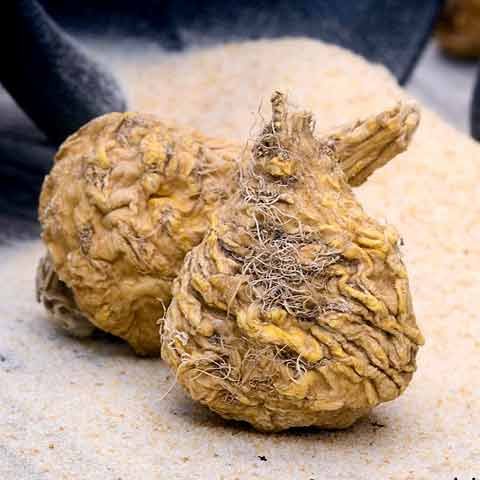
Maca, known scientifically as Lepidium meyenii, is a hardy root vegetable that grows almost nowhere else on Earth except the harsh, wind-battered highlands of the Peruvian Andes, often above 4,000 meters in elevation.
It belongs to the same plant family as broccoli, kale, and cabbage, which is why nutritionists often describe it as a cruciferous vegetable rather than an herb or a spice.
Picture a turnip that decided to toughen up and survive at an altitude where oxygen is thin and frost is a nightly visitor — that’s essentially maca’s story, and it’s part of why the plant has developed such a distinctive nutrient and compound profile.
Indigenous communities in the central Peruvian Andes have relied on maca as both food and folk medicine for centuries, with historical records tracing back to Spanish colonial chroniclers who documented locals using the root to support fertility and stamina.
Today, the harvested root gets dried in the sun, then either ground into a raw powder, processed into a gelatinized powder, or concentrated into an extract for capsules — each form has its own pros and cons, which we’ll get into later.
One detail that surprises a lot of first-time buyers is that maca isn’t a single, uniform product: it comes in several natural color varieties, mainly yellow, red, and black, and mounting research suggests those colors aren’t just for show.
Why Men Are Reaching for Maca Root Supplements
So what’s actually driving all this interest?
It’s not just clever marketing, though there’s plenty of that too — men across different age groups are adding maca to their routines for a handful of specific, recurring reasons that show up again and again in surveys, product reviews, and even in the design of clinical trials themselves.
Some are chasing a stronger sex drive after noticing things have cooled off a bit. Others are hoping for a fertility boost while trying to start a family, especially if a semen analysis came back less than ideal.
Plenty just want steadier energy that doesn’t come with the jittery crash of another cup of coffee or a pre-workout drink loaded with stimulants.
And a smaller but growing group is curious about maca’s reputation as a mood-lifter, something that fits into a broader wellness routine alongside better sleep and regular exercise.
Let’s break down each of these motivations one at a time, because the strength of the evidence honestly varies quite a bit depending on which benefit you’re chasing.
A Boost in Libido and Sexual Desire
This is the benefit most men have actually heard about, and it’s also the one with the most consistent research behind it, even if the effect size is modest rather than dramatic.
In a well-known series of trials led by Peruvian researcher Gustavo Gonzales, healthy adult men took either 1.5 grams or 3 grams of maca daily for twelve weeks, and researchers tracked self-reported sexual desire using a validated scale.
By the twelfth week, a noticeably higher share of the men taking maca reported increased libido compared with essentially no change in the placebo group — a gap that’s hard to write off as pure coincidence.
What’s genuinely interesting, and something we’ll unpack more in a bit, is that this libido boost doesn’t appear to be driven by any change in testosterone, estrogen, or other reproductive hormones, which suggests maca is working through some other,
still not fully understood pathway in the brain or nervous system. Think of it less like flipping a hormonal switch and more like maca quietly turning up a dial somewhere in the background.
That said, don’t expect fireworks after one dose — most of the positive results in these trials only showed up after eight to twelve weeks of consistent daily use, so patience really does matter here.
Support for Fertility and Sperm Health
If you and a partner are trying to conceive, or you’ve had a semen analysis come back with numbers you weren’t thrilled about, maca root’s fertility research is probably the section you care about most.
A 2020 clinical trial gave men with documented low sperm counts 2 grams of maca daily for twelve weeks and found a statistically significant improvement in sperm concentration compared with the placebo group, a meaningful finding even though the study size was relatively small.
Other research has looked at sperm motility (how well sperm actually swim) and morphology (their shape), with several smaller studies suggesting mild improvements, though the overall picture here is still described by researchers as promising but unclear.
Male-factor issues play a role in a substantial share of infertility cases among couples struggling to conceive, so any natural option that might move the needle, even modestly, tends to attract a lot of attention from men in this situation.
Just don’t treat maca as a replacement for an actual fertility workup with a doctor — if sperm health is a real concern for you, a semen analysis and a conversation with a urologist or fertility specialist should come first, with a supplement like maca playing a supporting role at best.
Steadier Energy and Stamina
Ask anyone who regularly takes maca why they stick with it, and “energy” is usually one of the first words out of their mouth.
Unlike caffeine, which works by blocking adenosine receptors and can leave you with a jittery crash a few hours later, maca doesn’t act as a stimulant in the traditional sense — it’s classified by many researchers as an adaptogen,
a category of plant substances believed to help the body handle physical and mental stress more efficiently.
One interesting piece of research compared people living in the high-altitude Peruvian Andes who regularly consumed maca against those who didn’t, measuring things like general health scores and even leg muscle strength, and the maca group came out ahead on several of these measures.
Athletes and physically active men, in particular, have shown interest in maca for this reason, since a steady, crash-free source of energy support fits naturally into a training routine without the same concerns some stimulants carry around sport-testing rules.
Picture the difference between a bonfire that flares up fast and burns out versus a steady bed of coals that keeps you warm for hours — that’s roughly the contrast people describe between stimulant-driven energy and the kind of support maca seems to offer.
Just don’t expect it to replace sleep, proper nutrition, or training discipline, because no root vegetable, however impressive, can out-supplement bad recovery habits.
Mood and Everyday Vitality
Energy and libido tend to get most of the spotlight, but maca’s potential effects on mood deserve a mention too, especially since stress and low mood can quietly tank a man’s motivation, sleep, and sex drive all at once.
Animal studies testing yellow, red, and black maca varieties have all shown some antidepressant-like activity in standard laboratory tests, and while animal research obviously can’t be applied directly to humans,
it does help explain why maca keeps showing up in mood-support formulations alongside more established ingredients like ashwagandha or rhodiola.
Some human research has even looked at maca’s effects on sexual dysfunction linked to antidepressant medication, finding encouraging results particularly among older participants, which hints at a broader role for the root beyond just the bedroom.
There’s also a practical, less glamorous explanation to consider: when you’re sleeping better and have more physical energy, thanks to any of the benefits already discussed, your mood tends to improve almost as a side effect, independent of any direct neurochemical action maca might have.
Either way, most men who report feeling better after adding maca to their routine describe it as a subtle lift rather than a dramatic mood transformation, and that’s probably the most honest way to set your expectations.
Does Maca Root Actually Raise Testosterone?
Let’s address the elephant in the room, because if you’ve spent any time on a supplement website, you’ve probably seen maca marketed as a natural testosterone booster sitting right next to products that promise the same thing through completely different mechanisms.
Here’s the less flattering truth for anyone hoping for a quick hormonal fix: the research simply doesn’t back that specific claim up.
Multiple controlled studies, including the well-known Gonzales trials that found genuine libido improvements, measured circulating testosterone before and after maca supplementation and found no statistically significant difference between the maca group and the placebo group,
even at doses as high as 3 grams daily over twelve full weeks.
Independent research databases that specialize in reviewing supplement science, including Examine.com, have reached the same conclusion after evaluating the available published trials: maca doesn’t appear to move the needle on serum testosterone in healthy men,
at least not at any dose researchers have actually tested so far.
There’s even a curious case report published in a medical journal suggesting maca might interfere with how certain lab tests measure testosterone, which could help explain why some anecdotal “my numbers went up” stories circulate online despite the controlled data showing otherwise.
So how does maca seem to improve libido without touching testosterone at all? That’s genuinely one of the more interesting open questions in this whole area of research.
The leading theory researchers point to is that maca acts on the central nervous system rather than the endocrine system, potentially influencing neurotransmitters, mood, and energy levels in ways that translate into a stronger sex drive without ever touching your hormone panel.
It’s a bit like the difference between turning up the volume on a speaker versus rewiring the amplifier entirely — maca might simply be making your existing signals feel more pronounced rather than manufacturing new ones from scratch.
This is actually good news for a specific group of men: those with hormone-sensitive health conditions, or anyone who’s been told by a doctor to avoid supplements that meaningfully shift testosterone or estrogen levels,
since maca’s libido benefits don’t seem to come with that particular hormonal baggage.
It also means you shouldn’t expect maca to help with conditions caused by genuinely low testosterone, like clinically diagnosed hypogonadism — if a blood test has shown your testosterone is below the normal range, that’s a conversation for a doctor and potentially actual hormone therapy,
not a supplement aisle purchase.
Bottom line: if “testosterone booster” is the specific phrase that sold you on a maca product, temper those expectations, but if what you’re actually after is a modest, research-supported bump in desire and drive, the picture looks considerably more promising.
Yellow, Red, and Black Maca: Does Color Actually Matter?
Remember how we mentioned maca comes in different colors?
It turns out this isn’t just a cosmetic detail for marketing photos — researchers have found that yellow, red, and black maca have genuinely different concentrations of active compounds, including glucosinolates, fatty acids, and macamides,
and these differences appear to translate into somewhat different effects in animal and early human studies.
Yellow maca is the most widely available and the most extensively studied variety, largely because it’s the most common phenotype grown across Peru, and it’s the color used in most of the classic libido and sperm-count trials already discussed.
Black maca has attracted particular attention from researchers studying male fertility specifically, with animal studies showing it may support sperm production and spermatogenesis more strongly than the other colors,
alongside some evidence for improved memory and reduced fatigue in lab studies.
Red maca, on the other hand, has shown a distinct and rather unexpected specialty in animal research: several studies found it can reduce prostate size and reverse markers of benign prostatic hyperplasia in rats, all without altering testosterone or estrogen levels,
which makes it a variety worth knowing about for men specifically concerned about prostate health as they age.
Before you go hunting for the “perfect” color, it helps to pump the brakes a little on how much weight to put on these differences.
The vast majority of this color-specific research has been conducted in rats, mice, or lab settings rather than in large human clinical trials, so while the findings are genuinely interesting, they shouldn’t be treated as proven facts about how your body specifically will respond.
Many commercial maca products, in fact, blend two or three colors together precisely because researchers suspect there may be complementary effects between the varieties, rather than one single “best” color for every man’s goals.
If fertility and sperm health are your main priority, a product emphasizing black maca has some early research behind that specific angle, and if long-term prostate health is more on your radar, red maca’s animal data is worth raising with your doctor.
For general energy, libido, and everyday vitality, though, yellow maca or a tri-color blend remains a perfectly reasonable, well-researched starting point, and unless you have a specific health goal steering you toward one variety, it’s not worth overthinking this particular decision.
Choosing Your Form: Powder, Capsules, or Extract
Once you’ve settled on the color question (or decided not to overthink it), the next decision is what form actually fits into your daily life, because the best supplement in the world doesn’t help you if you never actually take it consistently.
Maca root powder, whether raw or gelatinized, is the most traditional and often the most affordable option, and it mixes easily into smoothies, coffee, oatmeal, or pretty much anything with enough flavor to mask its slightly earthy, nutty taste.
Capsules and tablets are the convenience play here: no measuring, no mixing, no taste to work around, just swallow and go, which matters a lot if you’re someone who travels frequently or simply forgets to prep a smoothie most mornings.
Extracts, which are more concentrated versions of the root standardized to contain higher levels of specific compounds like macamides, tend to cost more per serving but let you get a meaningful dose in a smaller capsule or a few drops of liquid.
There’s no single “best” answer here — it really comes down to your budget, your taste tolerance, and whether you’re someone who actually enjoys the ritual of a morning smoothie or would rather just knock back a pill with breakfast and move on with your day.
Raw vs. Gelatinized Maca
Within the powder category specifically, you’ll run into a distinction that trips up a lot of first-time buyers: raw maca versus gelatinized maca, and the difference actually matters more than the subtle naming suggests.
Raw maca powder is simply the dried root ground down with no additional processing, which means it retains more of its natural fiber and any heat-sensitive compounds, but it can also be tougher on digestion for some people, occasionally causing bloating or gas,
especially when you’re just getting started.
Gelatinized maca goes through an additional process where the starch is removed using heat and pressure, similar in spirit to cooking a raw potato to make it more digestible,
and this generally makes it gentler on the stomach while also concentrating the remaining active compounds into a smaller amount of powder.
This processing step is also relevant if you’re someone with thyroid concerns, since gelatinization appears to reduce the concentration of goitrogenic compounds, the substances in cruciferous vegetables that can theoretically interfere with thyroid iodine uptake,
though we’ll dig deeper into that thyroid question shortly. If your stomach tends to be sensitive or you’ve had issues with cruciferous vegetables like broccoli or cabbage causing digestive discomfort in the past, gelatinized maca is generally the gentler, more forgiving place to start.
How Much Maca Root Should Men Take?
Tip: The clinical studies that found real benefits for libido and sperm health mostly used somewhere between 1.5 and 3 grams of maca daily, taken consistently for eight to twelve weeks before researchers measured meaningful results.
Dosing is genuinely one of the messiest parts of the maca conversation, mostly because commercial products love to throw around big, flashy numbers that don’t always match what researchers have actually tested in controlled trials.
The clinical studies that found real benefits for libido and sperm health mostly used somewhere between 1.5 and 3 grams of maca daily, taken consistently for eight to twelve weeks before researchers measured meaningful results — that’s the range with the most solid science behind it.
You’ll sometimes see products advertising doses in the tens of thousands of milligrams, framed as some multiple of “raw root equivalent,” which can make a modest, reasonably priced extract look far more potent than the actual research-backed active dose it contains;
reading labels carefully rather than being swayed purely by the biggest number on the front of the bottle pays off here.
As a general starting point, most health-focused sources suggest beginning with somewhere around 1.5 grams a day, ideally with food to minimize any digestive discomfort, and giving it a full eight to twelve weeks before deciding whether it’s doing anything for you at all.
Because maca is classified as a food rather than a tightly regulated drug, exact standardized dosing guidance doesn’t really exist the way it does for prescription medications, so following the specific product’s label instructions,
and looping in a doctor or pharmacist if you’re taking other medications, remains your safest bet.
How Long Before You Notice Anything?
If you’re the type who wants results yesterday, maca root is going to test your patience a little, and setting realistic expectations before you start helps you avoid giving up right when things might actually start working.
Across the clinical trials referenced throughout this article, meaningful, statistically measurable changes in libido consistently showed up somewhere between the eight and twelve week mark, not after a few days or even a couple of weeks of use.
In the Gonzales research specifically, researchers tracked self-reported libido improvements at four, eight, and twelve weeks, and the share of men reporting a noticeable difference climbed steadily at each check-in point, which strongly suggests this is a cumulative,
build-up effect rather than an immediate on-off switch.
Some men do report feeling a subtle energy lift within the first one to two weeks, which makes sense given maca’s adaptogenic reputation and its dense nutrient profile, including B vitamins, iron, and amino acids that your body can put to use fairly quickly.
The honest, unglamorous advice here is to commit to at least a solid twelve-week trial, taken consistently at the same time each day,
before you decide whether maca root is actually doing anything meaningful for you personally — anything shorter than that and you genuinely haven’t given it a fair shot based on how the research was actually designed.
Potential Side Effects and Who Should Be Careful
The reassuring news first: maca root has an impressively clean safety record across the studies that have actually tested it, which makes sense given its centuries-long history as an actual food source rather than a synthesized pharmaceutical compound.
As Vanessa King, a clinical nutrition manager and spokesperson for the Academy of Nutrition and Dietetics, puts it, maca “has a long history of safe use” as a genuine dietary staple rather than a modern invention dreamed up by a supplement company.
One trial involving 175 participants who took 3 grams of red or black maca daily for three full months reported no serious adverse effects, and the mild side effects that do occasionally show up — things like stomach discomfort, gas, headaches,
or trouble sleeping if taken too late in the day — tend to be manageable and often fade as your body adjusts. That said, “generally safe” doesn’t mean “safe for absolutely everyone in every situation,” and a few groups genuinely do need to pump the brakes and talk to a doctor first.
Anyone with a hormone-sensitive condition should proceed cautiously given maca’s still not-fully-understood interaction with the endocrine system, and the same caution applies if you’re taking regular medication for blood pressure, thyroid function, or hormone regulation.
There’s also a documented case report of elevated blood lead levels in someone taking a maca supplement, which almost certainly points to contamination in that specific product rather than a problem with maca itself,
but it’s a solid reminder that sourcing and third-party testing genuinely matter, a topic covered in more depth shortly.
Important: Anyone with a hormone-sensitive condition should proceed cautiously given maca’s still not-fully-understood interaction with the endocrine system, and the same caution applies if you’re taking regular medication for blood pressure, thyroid function, or hormone regulation.
Thyroid Concerns, Explained
If you’ve spent any time reading about cruciferous vegetables and thyroid health, you’ve probably come across warnings about goitrogens, naturally occurring compounds in plants like broccoli, kale, and yes, maca,
that can theoretically interfere with how your thyroid gland processes iodine.
Here’s where a little nuance actually helps: the goitrogen concern with maca is generally considered more theoretical than a documented widespread problem,
and the amount of iodine you’d actually need to consume from maca alone to meaningfully affect thyroid function is far beyond what any reasonable serving size would provide.
Gelatinized maca, as mentioned earlier, further reduces the concentration of these goitrogenic compounds through its processing method, which is part of why it’s often recommended as the gentler choice for anyone with an existing thyroid condition or a family history of thyroid issues.
That said, if you’ve already been diagnosed with hypothyroidism, hyperthyroidism, or you’re currently taking thyroid medication like levothyroxine, this is exactly the kind of situation where a quick conversation with your doctor before starting maca is worth five minutes of your time,
since individual thyroid conditions vary enormously and general advice, including this article, can’t account for your specific labs and history.
For everyone else without an existing thyroid diagnosis, the current evidence suggests this is a manageable, relatively low-priority concern rather than a reason to avoid maca altogether.
What to Look for on a Maca Root Label
Walking into this decision blind is exactly how a lot of men end up with an underwhelming product gathering dust in the back of a cabinet, half-used and largely forgotten within a few weeks.
Because dietary supplements sold in the United States aren’t pre-approved by the FDA for effectiveness the way prescription medications are, and individual manufacturers carry most of the responsibility for their own quality control and label accuracy,
a bit of savvy label-reading genuinely pays off before you swipe your card on the first flashy bottle you see online.
The good news is that you don’t need a chemistry degree or a nutrition science background to shop smart here; a handful of specific, checkable details will filter out most of the weaker options pretty quickly and steer you toward products actually worth your money.
Think of it a bit like buying olive oil: the fanciest label and the biggest health claims printed in bold letters don’t necessarily mean you’re getting the highest-quality product inside the bottle, and sometimes the plainer-looking option from a more transparent brand is the smarter buy.
Third-Party Testing and Certifications
Tip: Certifications from organizations like NSF International, USP (United States Pharmacopeia), or Informed Sport and Informed Choice mean an independent lab has actually verified that the product contains what the label claims.
Because the supplement industry operates with relatively light regulatory oversight compared to pharmaceuticals, third-party testing is genuinely one of the most reliable signals of quality you can look for on a label,
and it’s worth actively seeking out rather than assuming every brand does this behind the scenes.
Certifications from organizations like NSF International, USP (United States Pharmacopeia), or Informed Sport and Informed Choice mean an independent lab has actually verified that the product contains what the label claims, in the amounts claimed,
without hidden contaminants like heavy metals, pesticides, or undisclosed fillers.
This matters more than it might seem at first glance given the case report mentioned earlier about a maca product linked to elevated blood lead levels;
that kind of contamination risk drops significantly when a product carries genuine third-party verification rather than just a manufacturer’s own say-so.
If you’re an athlete subject to drug testing, Informed Sport certification specifically matters quite a bit, since it verifies the product is free from substances banned by major sporting organizations,
protecting you from an accidental positive test caused by a contaminated supplement rather than anything you actually intended to take.
Look for these certification logos directly on the product packaging or listed clearly on the brand’s website, and treat their absence, especially on suspiciously cheap products, as a legitimate reason for a little extra skepticism.
Sourcing and Freshness
Where your maca actually comes from matters more than most shoppers realize,
largely because Peru’s high-altitude growing conditions — that thin air and mineral-rich volcanic soil mentioned earlier — appear to genuinely influence the concentration of beneficial compounds the plant develops as it matures.
While maca is now cultivated commercially in a few other regions, including parts of China, research comparing these sources suggests Peruvian-grown maca, particularly from the traditional Junín growing region, may contain higher levels of certain active compounds,
which is why many reputable brands proudly and specifically list Peru as their sourcing origin on the packaging.
Freshness is the other half of this equation that’s easy to overlook: like most dried plant products, maca powder and capsules lose potency gradually over time, especially once a container has been opened and repeatedly exposed to air, light, and humidity.
Check for a clear manufacturing or expiration date, store your supply in a cool, dry, dark place exactly like you’d store any other dried herb or spice, and try to avoid buying in bulk quantities so large that you’re still working through the same container a year later.
A reputable brand will typically be upfront and specific about both the growing origin and the harvest or manufacturing date, and genuine vagueness around either of these details is a reasonably fair reason to consider shopping elsewhere.
Maca Root vs. Other Popular Men’s Supplements
Maca doesn’t exist in a vacuum on the supplement shelf, and if you’re the type who likes to comparison-shop before committing, you’re probably also eyeing ashwagandha, tribulus terrestris, fenugreek, or Tongkat Ali, all of which get marketed toward similar goals of energy, libido,
and vitality. Here’s a straightforward side-by-side look at how the current research on each of these actually compares, so you can make a more informed choice based on what you’re specifically hoping to achieve rather than which bottle has the flashiest marketing copy.
| Supplement | Traditional Focus | Effect on Testosterone (Research) | Effect on Libido/Sexual Function | Typically Studied Dose |
|---|---|---|---|---|
| Maca Root | Energy, fertility, libido | No significant change shown in controlled trials | Modest, consistent improvement across multiple trials | 1.5–3 g/day |
| Ashwagandha | Stress adaptogen, vitality | Small increases reported in some studies of men | Some support for satisfaction and stress-related libido dips | 300–600 mg extract/day |
| Tongkat Ali | Traditional male vitality tonic | Meaningful increases shown in several trials | Linked to improved vitality and mood scores | 200–400 mg extract/day |
| Fenugreek | Digestive and traditional tonic | Mixed results; some free-testosterone support shown | Some reported improvements in satisfaction | 500–600 mg extract/day |
| Tribulus Terrestris | Traditional vitality herb | Generally no significant increase shown | Mixed, inconsistent evidence | 250–750 mg/day |
A few patterns jump out once you line these up side by side.
If a genuine testosterone increase is your primary goal, the current research points more toward Tongkat Ali than maca, though Tongkat Ali trials often involve older men with naturally lower baseline testosterone,
so results may not generalize the same way to a healthy twenty-five-year-old.
Maca’s real strength in this comparison is consistency: it has a relatively long track record of controlled human trials specifically measuring libido, and its safety profile is about as clean as supplements get,
which isn’t something every ingredient on this list can claim with equal confidence.
Some men and formulators split the difference by combining two or three of these ingredients into a single stack, on the theory that different mechanisms — hormonal for Tongkat Ali, adaptogenic for maca and ashwagandha — might complement rather than duplicate each other’s effects.
Whatever you land on, treating any of these five as a magic bullet rather than one small piece of an overall approach involving sleep, exercise, and stress management is where most disappointment with supplements tends to come from.
Conclusion: Is Maca Root Worth Adding to Your Routine?
So, where does all this leave you? Maca root isn’t the miracle testosterone-boosting cure-all that some marketing copy wants you to believe, and if that’s specifically what you’re shopping for, the honest research doesn’t support that particular promise.
What it does have going for it is a genuinely encouraging, reasonably consistent body of human research showing modest improvements in libido and some promising, if still developing, evidence for sperm health and fertility support,
all wrapped up in a safety profile that’s about as clean as dietary supplements come.
If your goals are realistic — a subtle bump in sex drive, more consistent energy without the caffeine jitters, some support while you’re actively trying to conceive — maca is a reasonable, low-risk option worth a genuine twelve-week trial.
Pay attention to dosage (1.5 to 3 grams daily is your evidence-based sweet spot), pick a form that fits your actual daily habits, favor products with real third-party testing, and talk to a doctor first if you have a thyroid condition, a hormone-sensitive diagnosis,
or you’re taking regular medications.
At the end of the day, maca root is best thought of as one small, well-researched tool in a broader toolbox that includes sleep, exercise, stress management, and nutrition, not a replacement for any of them,
and setting your expectations there from the start is honestly the single best thing you can do before you ever open that first bottle.
Frequently Asked Questions
Does maca root really increase testosterone in men?
No, and this is worth repeating because the marketing claims are so persistent: multiple controlled clinical trials, using doses as high as 3 grams daily for twelve weeks,
have found no statistically significant increase in circulating testosterone in men taking maca compared with a placebo.
Maca’s genuine benefits for libido and sexual desire appear to work through a different pathway entirely, likely involving the central nervous system rather than the endocrine system,
which is actually good news if you have a hormone-sensitive health condition since you won’t be meaningfully shifting your hormone levels either way.
How long does it take to feel maca root’s effects?
Most of the meaningful, measurable benefits documented in clinical research, particularly around libido, showed up gradually over eight to twelve weeks of consistent daily use rather than within days.
Some men report a subtle lift in energy within the first one to two weeks, likely thanks to maca’s dense profile of B vitamins, iron, and amino acids, but the more talked-about effects on sex drive and sperm health genuinely need that longer runway.
Give it a full three-month trial at a consistent dose before deciding whether it’s doing anything for you personally.
What’s the difference between yellow, red, and black maca for men specifically?
Yellow maca is the most common and most studied variety, generally used for overall energy and libido support.
Black maca has shown the strongest research signal for sperm count and fertility support in animal studies, while red maca stands out in research for potential prostate-health benefits, having been shown in rat studies to reduce prostate size without affecting testosterone levels.
Many products blend two or three colors together, and unless a specific goal like fertility or prostate support is steering your decision, a tri-color blend or straightforward yellow maca product remains a perfectly solid choice.
Can maca root cause any dangerous side effects?
Maca has a strong safety track record in the research that exists, with studies using daily doses up to 3 grams for three months reporting no serious adverse effects.
The side effects that do occur tend to be mild — digestive discomfort, headaches, or trouble sleeping if taken later in the day — and they’re usually manageable or resolve as your body adjusts.
The bigger risk generally comes from product quality rather than the plant itself, which is exactly why choosing a third-party tested brand from a reputable source matters, especially since low-quality supplements in general have occasionally been linked to contamination issues.
Is it safe to take maca root every day, long term?
Research supporting continuous daily use mostly covers periods of up to about four months, so while traditional use in Peru suggests a much longer history of safety as a dietary staple, modern clinical data on years-long continuous supplementation is genuinely still limited.
Many people choose to cycle their use, commonly three months on followed by about a month off, partly out of caution and partly just to periodically reassess whether it’s still providing a noticeable benefit.
If you have an ongoing health condition, take regular medication, or you’re simply planning to use it for many months or years straight, checking in with a doctor periodically is a reasonable, low-effort safety habit to build into your routine.