Last updated on 08/31/2026 at 11:49
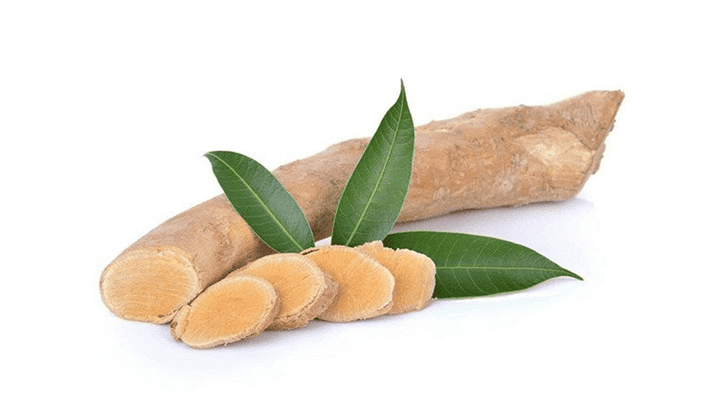
Tongkat Ali Benefits: What the Research Actually Says About This Powerful Root
Walk into any supplement shop or scroll through five minutes of fitness content online, and you’ll probably run into tongkat ali at some point.
It’s everywhere right now — stacked next to creatine, blended into “men’s vitality” gummies, and name-dropped by podcast hosts who swear it changed their energy levels overnight.
But does the hype actually hold up under scientific scrutiny, or is this just another trendy root riding a wave of social media buzz? That’s exactly what we’re digging into here.
This guide walks through what tongkat ali actually is, which benefits have real research behind them, how much you’d realistically need to take, and where the science still has gaps worth knowing about before you spend your money on it.
Let’s set expectations early: tongkat ali isn’t a miracle cure, and anyone promising you superhuman results is stretching the truth a bit.
What it does have going for it is a genuinely interesting body of research, a centuries-long history of traditional use, and a mechanism of action that makes biological sense once you understand it.
Think of this less as a magic pill and more as a tool that might help your body work the way it’s supposed to, especially if stress or age has thrown things out of balance.
Important notice: This content is for informational purposes and is based on an analysis of scientific studies and public information regarding the ingredients. It is not a substitute for medical advice.
Results vary from person to person. If you have pre-existing health conditions or are taking medication, consult your doctor before starting any supplementation.
- What Is Tongkat Ali, Exactly?
- The Top Tongkat Ali Benefits Worth Knowing
- What Does the Clinical Research Actually Show?
- How Much Tongkat Ali Should You Take?
- Side Effects and Who Should Steer Clear
- Tongkat Ali vs Other Natural Testosterone Boosters
- How to Choose a High-Quality Tongkat Ali Supplement
- Conclusion
- Frequently Asked Questions
What Is Tongkat Ali, Exactly?
Before getting into benefits, it helps to know what you’re actually talking about here, because “tongkat ali” isn’t some lab-created compound — it’s a real plant with a real history behind it.
Where This Root Comes From
Tongkat ali comes from the roots of Eurycoma longifolia, a slender, fan-leafed tree that grows wild across the rainforests of Malaysia, Indonesia, Thailand, and Vietnam.
Harvesting it is hard, physical work: pickers hike into steep, snake-filled terrain, dig for hours to free a single root system, and then haul the result — sometimes 70 pounds or more of tangled root — back down the mountain on their shoulders.
That root eventually gets pressure-washed, cut, dried, and processed into the powders and capsules you see on store shelves today.
You’ll also see it marketed under a handful of other names, including longjack, pasak bumi, and “Malaysian ginseng,” even though it isn’t botanically related to true ginseng at all.
For generations, communities across Southeast Asia have used the root as a folk remedy for fevers, malaria, low back pain, fatigue, and — most famously — flagging libido, which is part of why Western media sometimes calls it “Malaysian Viagra.”
The Active Compounds Behind the Buzz
So what’s actually happening inside that root? Researchers have isolated more than 65 distinct bioactive compounds from tongkat ali, but a handful get most of the credit for its effects.
Quassinoids — including a compound called eurycomanone — along with glycosaponins (which can make up 40 to 65% of a standardized extract) and small protein fragments called eurypeptides are considered the main players.
Here’s the interesting part: research suggests tongkat ali doesn’t necessarily force your body to manufacture more testosterone from scratch, the way an anabolic steroid might.
Instead, it appears to work more like a key that unlocks testosterone you already have, by reducing how much gets bound up by a carrier protein called sex-hormone-binding globulin (SHBG) and freeing it up for your body to actually use.
Some research also points to mild aromatase-inhibiting activity, meaning it may slow the conversion of testosterone into estrogen. That distinction matters — it’s less a “booster” in the steroid sense and more of a restorer, nudging levels that have dipped back toward where they’d naturally sit.
The Top Tongkat Ali Benefits Worth Knowing
With the background out of the way, let’s get into what you actually came here for: does this stuff work, and for what? Here’s a rundown of the benefits with the most legitimate research behind them.
Supporting Healthy Testosterone Levels
Testosterone doesn’t stick around forever at peak levels.
It typically peaks between ages 25 and 30, then drifts downward by roughly 1 to 2% every year after that — so by age 60, many men are running at only 40 to 50% of their youthful levels, sometimes lower if chronic stress, poor sleep, or a rough diet pile on top of normal aging.
This is where tongkat ali’s reputation really took off.
A one-month study of 76 older men with low testosterone found that 200 milligrams of standardized extract per day pushed testosterone back into the normal range for more than 90% of participants,
and a separate six-month trial in 45 men with age-related androgen deficiency saw similar improvements when the extract was combined with training.
A 2022 meta-analysis published in the journal Medicina, which pooled data from nine high-quality studies, concluded that both healthy men and those with clinically low testosterone experienced measurable improvements after supplementing. That said, don’t expect fireworks.
Rajiv Jayadevan, MD, a urologist and male fertility expert at UCLA’s Men’s Clinic, has pointed out that for most guys,
“it’s only going to raise your levels 30 points or so” — a modest bump that’s unlikely to meaningfully change symptoms on its own for someone whose testosterone wasn’t already low to begin with.
Easing Stress and Lowering Cortisol
Testosterone isn’t the only hormone in this story — cortisol, your body’s primary stress hormone, plays a huge role in how tongkat ali seems to work.
In a four-week trial involving 63 moderately stressed adults, researchers measured a 16% reduction in cortisol exposure alongside a 37% increase in testosterone status among people taking a standardized tongkat ali extract, compared to those on a placebo.
Participants also reported meaningful drops in tension, anger, and confusion on standard psychological mood scales.
Picture tongkat ali here less like a stimulant and more like a shock absorber for your nervous system — it doesn’t remove the bumps in the road, meaning your actual stressors, but it may soften how hard your body feels each one.
That’s a useful mechanism if you’re dealing with the kind of grinding, everyday stress that comes from poor sleep, an intense training schedule, or simply a demanding season of life, since chronically elevated cortisol tends to suppress testosterone and mess with mood right alongside it.
Boosting Libido and Sexual Wellness
This is arguably the benefit tongkat ali is most famous for, and it’s baked right into its cultural history — traditional healers across Malaysia and Indonesia have used it as an aphrodisiac for centuries.
Animal studies consistently show increased sexual motivation and arousal-related behavior following supplementation, and researchers believe the effects trace back to those same testosterone and nitric oxide pathways involved in normal erectile function.
A systematic review with meta-analysis looking specifically at erectile function found enough signal to suggest a real clinical effect, though the study’s authors were careful to note that larger, more rigorous efficacy trials are still needed before anyone calls this settled science.
Here’s an important safety wrinkle worth flagging, though: because tongkat ali has such a strong reputation for libido and performance,
some shady manufacturers have been caught spiking their products with undeclared prescription erectile dysfunction drugs like sildenafil (Viagra) or tadalafil (Cialis) to fake stronger results.
If a product feels suspiciously powerful right out of the gate, treat that as a red flag rather than a reason for excitement.
Supporting Male Fertility
Fertility is another area where tongkat ali has picked up legitimate scientific attention, not just folklore.
In one of the more frequently cited studies on this topic, researchers gave 200 milligrams of standardized extract daily to men from sub-fertile couples dealing with unexplained infertility, following up with semen analysis every three months for up to nine months.
Of the participants who completed at least one full three-month cycle, the results showed improvements across several key fertility markers: semen volume, sperm concentration, the percentage of normally shaped sperm, and overall sperm motility all trended upward,
and researchers noted spontaneous pregnancies among some of the couples involved during the study period.
That’s an encouraging signal for a natural supplement, though this kind of open-label design isn’t the same as a tightly controlled, placebo-blinded trial, and larger confirmatory research would go a long way toward cementing these findings.
If fertility is your specific concern, this is a benefit worth discussing directly with a reproductive urologist rather than self-treating alone.
Building Strength and Muscle
Can a root really help you get stronger in the gym? The evidence here is genuinely mixed, which is refreshingly honest compared to how it’s often marketed.
A 2014 pilot study followed 25 physically active older adults — 13 men and 12 women, all between 57 and 72 years old — who took 400 milligrams of tongkat ali extract daily for five weeks,
and researchers observed increases in both free and total testosterone alongside measurable gains in muscular strength.
That sounds promising, but a more recent 2024 study looking at exercise-trained younger males and females taking the same 400-milligram dose for four weeks found no significant improvement in body composition or salivary testosterone at all.
The most reasonable takeaway is that results probably depend heavily on your starting hormone levels, age, training status,
and how long you stick with it — someone with already-optimized testosterone and years of training experience likely has a lot less room to benefit than someone older or more hormonally depleted to begin with.
Lifting Mood, Energy, and Focus
Beyond the headline-grabbing hormone effects, tongkat ali has a long-standing reputation as a general “vigor and vitality” tonic, and there’s some genuinely interesting research backing up parts of that claim.
Traditional medicine systems across Southeast Asia have used it for generations specifically to help older adults cope with the fatigue, low mood, and general low-energy feeling that tends to creep in with age — essentially functioning as an adaptogen,
a category of natural substances thought to help your body handle physical and mental stress more gracefully.
Preclinical research, including studies looking at sleep-wake cycles, has found that tongkat ali extract can improve rest-activity patterns and daytime alertness in animal models, hinting at mechanisms that could translate to better daytime energy and focus in people too.
Combine that with the mood improvements already documented in the cortisol research mentioned earlier — reduced tension, anger,
and confusion — and you get a coherent picture of a supplement that’s less about chasing an artificial high and more about steadily restoring balance to systems that stress and aging tend to knock off-kilter.
What Does the Clinical Research Actually Show?
It’s easy to cherry-pick a single flattering study and build a marketing page around it. A more honest approach means looking at the whole body of evidence together, warts and all.
The Studies Worth Paying Attention To
The strongest piece of evidence in tongkat ali’s favor is that 2022 meta-analysis in Medicina, which specifically pooled together nine higher-quality human trials rather than relying on any single result.
Across that pooled data, both men with clinically diagnosed low testosterone and otherwise healthy men saw measurable hormone improvements, along with knock-on benefits for erectile function, fertility markers, athletic performance, muscle mass when paired with strength training, body fat, fatigue,
and anxiety. Separately, a 2021 review published in the journal Endocrines took a wider lens, examining 15 different natural substances marketed as testosterone boosters — everything from L-arginine to boron to ashwagandha — and found actual supporting research for only 10 of them.
Out of that whole list, the reviewers singled out tongkat ali, ashwagandha, and fenugreek specifically as having the strongest evidence behind their testosterone claims,
which is a meaningfully different statement than saying “the research is solid.” It means tongkat ali is one of the better-supported options in a crowded, often disappointing field.
Where the Evidence Gets Shaky
Here’s where I’ll level with you: this research, while promising, isn’t airtight. Sample sizes across most of these trials are small, often somewhere between 25 and 76 participants, which makes it harder to know how reliably the results would hold up across a broader, more diverse population.
Some of the most-cited human studies rely on the same handful of standardized proprietary extracts, meaning results don’t automatically generalize to whatever random tongkat ali capsule you grab off a shelf with a different concentration or sourcing.
The muscle-building research is a great example of how messy things can get, with one study showing clear strength gains in older adults and another finding nothing at all in younger, trained athletes just a decade later.
Long-term safety data beyond a few months is also thin on the ground, and — as you’ll see in the next section — regulators in different parts of the world have reached surprisingly different conclusions about how safe this herb is at various doses.
Picture the current research as a partially assembled jigsaw puzzle: you can already make out the general picture, but plenty of pieces are still missing from the edges.
How Much Tongkat Ali Should You Take?
Dosing is where a lot of people get tripped up, mostly because supplement labels love to make numbers look bigger than they actually are.
Dosage Guidelines That Actually Make Sense
Most of the human research that actually moved the needle used somewhere between 200 and 400 milligrams per day of a standardized water extract, typically taken once daily, often in the morning.
Some earlier guidance based on traditional use and lower-dose studies suggested a starting range as low as 50 to 200 milligrams per day of an extract standardized to around 22% eurypeptides, which is a reasonable, conservative place to begin if you’re new to it.
Europe’s food safety regulators, for their part, evaluated a proposed daily intake of up to 200 milligrams of standardized water extract when reviewing it as a potential novel food.
A sensible approach is to start at the lower end of that range, give it a solid four to six weeks since that’s roughly how long most of the positive studies ran before showing results, and pay attention to how you actually feel rather than assuming more is automatically better.
If you’re on any medication, managing a chronic health condition, or dealing with a hormone-sensitive issue, loop your doctor in before starting, since tongkat ali’s hormonal activity means it can genuinely interact with how your body processes other treatments.
Cracking the Code on Extraction Ratios
You’ll constantly see extraction ratios like 20:1, 100:1, or 200:1 printed on tongkat ali labels, and understanding what these numbers mean can save you from some seriously misleading marketing.
The ratio simply describes how much raw root material got condensed down to produce one unit of finished extract — a 200:1 extract theoretically started as 200 kilograms of raw root reduced down to just 1 kilogram of concentrated powder.
Here’s the catch, though: a higher ratio number doesn’t automatically mean a stronger or better product, because potency really depends on the concentration of active compounds like eurycomanone and glycosaponins, which can vary quite a bit between suppliers regardless of the stated ratio.
This is also exactly how you end up seeing capsules advertised with eye-popping claims like “200,000 mg of tongkat ali,” when what that actually means is a modest 1,000-milligram dose of 200:1 extract, mathematically inflated back to its theoretical raw-root equivalent.
The takeaway: look past the flashy ratio and raw-equivalent numbers, and instead check whether the label specifies an actual standardized percentage of active compounds — that’s the number that tells you what you’re really getting.
| Extraction Ratio | Typical Raw Root Needed | Common Capsule Dose | What to Look For |
|---|---|---|---|
| 20:1 | 20 kg per 1 kg extract | 400–600 mg | Lower concentration, often budget-friendly |
| 100:1 | 100 kg per 1 kg extract | 200–500 mg | Most common in clinically studied products |
| 200:1 | 200 kg per 1 kg extract | 200–1,000 mg | Higher concentration, verify active compound % |
Side Effects and Who Should Steer Clear
No supplement conversation is complete without an honest safety check, and tongkat ali actually has a more complicated safety story than most influencers let on.
Across the short-term human trials discussed earlier, doses up to 400 milligrams per day were generally well tolerated, with most studies reporting minimal or no side effects beyond the occasional bout of insomnia, restlessness, or mild stomach upset at higher doses. That’s the reassuring part.
The more complicated part comes from Europe’s food safety authority, which reviewed tongkat ali as a potential novel food and flagged a real concern: in a mammalian test looking specifically at DNA damage, high doses of the extract triggered positive results in stomach and intestinal tissue,
leading the panel to conclude that safety hadn’t been fully established under any condition of use.
That finding sits in real tension with a separate toxicology study that found no evidence of mutagenicity, no chromosome damage,
and a remarkably high safety margin even at doses many times higher than anyone would realistically consume — which just goes to show that even scientists studying the exact same plant can land on different conclusions depending on their testing methods and the specific extract examined.
Beyond the biology itself, quality control is arguably the bigger practical risk for the average shopper.
Because tongkat ali supplements are lightly regulated in most countries, some products have turned up contaminated with heavy metals like mercury, while others have been caught containing more or less actual tongkat ali than their labels claim, or worse,
spiked with undisclosed pharmaceutical drugs to fake stronger effects, which has led to warnings and outright bans on certain products in the United States, Canada, and Singapore.
Given all of that, a few groups should sit this one out entirely or check with a doctor first: pregnant or breastfeeding women, children and teenagers since no meaningful safety research exists for these groups, anyone managing a hormone-sensitive medical condition,
and anyone currently taking prescription medication, particularly for blood sugar or blood pressure, given the herb’s documented hormonal and metabolic activity. When in doubt, a quick conversation with your physician costs you nothing and could save you a real headache down the line.
Tongkat Ali vs Other Natural Testosterone Boosters
If you’ve spent any time shopping for men’s health supplements, you’ve probably noticed tongkat ali sitting on the shelf right next to ashwagandha and fenugreek, and for good reason,
since that 2021 Endocrines review specifically called out all three as having the strongest evidence among 15 substances studied.
But “strongest evidence” doesn’t mean “interchangeable,” because each of these herbs actually shines in slightly different situations depending on what you’re trying to fix.
Tongkat ali tends to pull ahead when stress and cortisol are part of the picture, given its documented effect on both hormones simultaneously.
Ashwagandha, an adaptogen with deep roots in Ayurvedic medicine, has a strong track record specifically around sleep quality and stress resilience, with more modest evidence for testosterone itself.
Fenugreek, meanwhile, is more commonly associated with libido support and, interestingly, with helping manage healthy blood sugar levels, though that blood-sugar effect is exactly why people on diabetes medication need to be careful combining it with their treatment.
| Herb | Traditional Use | Strongest Evidence For | Typical Studied Dose |
|---|---|---|---|
| Tongkat Ali (Eurycoma longifolia) | Southeast Asian vitality and libido tonic | Free testosterone support, cortisol reduction | 200–400 mg/day standardized extract |
| Ashwagandha (Withania somnifera) | Ayurvedic adaptogen for stress and sleep | Cortisol reduction, sleep quality, modest testosterone support | 300–600 mg/day root extract |
| Fenugreek (Trigonella foenum-graecum) | Traditional culinary and medicinal seed | Libido support, modest testosterone increases | 500–600 mg/day seed extract |
Plenty of people stack two of these together rather than picking just one, though that obviously multiplies both the potential benefits and the potential side effects, so it’s smart to introduce them one at a time rather than all at once.
That way, if something doesn’t agree with you, you’ll actually know which ingredient is responsible instead of guessing.
How to Choose a High-Quality Tongkat Ali Supplement
Given everything covered about adulteration and inconsistent labeling, picking the right product matters just as much as deciding to take it in the first place.
Start by looking for a standardized extract that specifies an actual percentage of active compounds — eurycomanone content or glycosaponin percentage,
for example — rather than relying solely on an extraction ratio or an inflated raw-root-equivalent number on the front of the bottle.
Third-party testing is your next checkpoint, ideally from an independent lab that verifies both potency, meaning does it actually contain what it claims, and purity, meaning is it free of heavy metals, microbial contamination, or undeclared pharmaceutical spiking.
Reputable brands will usually make these certificates of analysis available on request or directly on their website, and a company that gets cagey when you ask for one is telling you something important.
Favor products that disclose their country of origin too, since Malaysia has government-backed certification programs specifically aimed at authenticating genuine, sustainably harvested tongkat ali.
Price can be a rough signal as well — if a bottle seems dramatically cheaper than everything else on the shelf, that’s often because it’s diluted, mislabeled, or sourced from unverified suppliers cutting corners somewhere along the way.
Conclusion
Tongkat ali earns its growing reputation honestly, even if it doesn’t quite live up to the superhero status some corners of the internet give it.
The research genuinely supports modest but real benefits for testosterone in men who are running low, stress and cortisol reduction, fertility markers, and general vitality, backed by a mechanism of action that makes physiological sense rather than relying purely on folklore.
What it isn’t is a replacement for the fundamentals — sleep, training, nutrition, and stress management will always move the needle more than any single supplement, tongkat ali included.
If you’re curious enough to try it, start with a standardized, third-party-tested extract at a conservative dose, give it a few weeks, check in with your doctor if you’re managing any health conditions or taking medication,
and treat the results as one piece of a much bigger health picture rather than a standalone fix.
Frequently Asked Questions
Is tongkat ali safe to take every day?
Short-term studies suggest doses up to 400 milligrams daily are generally well tolerated for periods of several weeks to a few months, but long-term daily use beyond that hasn’t been studied extensively.
Given the genuinely mixed safety findings from different toxicology studies, it’s smart to cycle your use, stick to standardized doses, and check with a doctor before committing to indefinite daily supplementation, especially if you’re managing another health condition.
How long does it take to feel the effects of tongkat ali?
Most of the clinical trials that showed measurable results ran for four to six weeks before researchers saw meaningful changes in hormone levels or mood, so patience matters here.
Some people report subtle shifts in energy or mood within the first couple of weeks, but the hormonal changes that drive the bigger benefits typically take closer to a month of consistent daily use to show up.
Can women take tongkat ali?
Yes — several of the studies referenced throughout this piece, including the cortisol and mood research, actually included female participants alongside men and found comparable benefits for stress reduction and hormone balance.
Pregnant and breastfeeding women should avoid it entirely, though, since safety hasn’t been established for either group, and anyone with a hormone-sensitive condition should talk to a doctor first regardless of gender.
What’s the real difference between tongkat ali and ashwagandha?
Both are considered adaptogens with genuine research support, but they tend to shine in different areas: tongkat ali has stronger evidence specifically for free testosterone support alongside cortisol reduction,
while ashwagandha’s strongest track record is around sleep quality and general stress resilience, with more modest testosterone effects.
Plenty of people use them together rather than choosing one over the other, though introducing them separately makes it easier to tell what’s actually working for you.
Does tongkat ali actually raise testosterone, or is that just marketing hype?
The research does support a real testosterone effect, particularly in men who start out with low levels, but the size of that effect tends to be modest rather than dramatic.
Experts note the average bump is often in the range of a few dozen points rather than a life-changing surge, so it’s realistic to expect a helpful nudge rather than the kind of results you’d get from actual hormone therapy.